Human Phenotypes - Complete List
A complete list of 209 human phenotypes with average face composites, geographic distribution, and physical characteristics. Each phenotype entry is grouped by its native region, from Northern Europe to Sub-Saharan Africa, and links to a dedicated detail page with the composite face, historical background, and academic references. Phenotypes describe recurring patterns of physical appearance documented by historical anthropologists roughly 1500 years ago, not modern national identity or personal DNA ancestry.
Southeast Asia
17 phenotypes native to Southeast Asia.
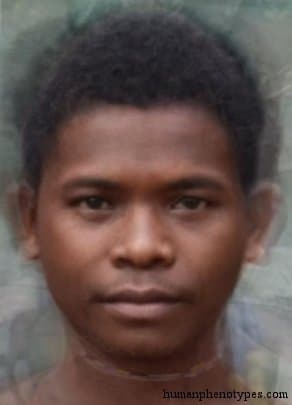
Aetid
Ancient type found in the mountains of the Philippine islands of Luzon, Mindandao and Palawan. Probably developed during the Paleolithic. Similar to Semangid. Rare today, usually mixed. Only a few thousand typical individuals remain. Dominant in the original people of Aeta, Ati, Batak and Mamanwa. Occasionally on the Lesser Sunda Islands (esp. East Flores). Loss of culture and forest destruction may wipe out this unique type soon.
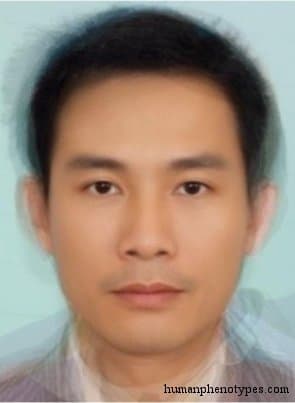
Annamid
South Sinid subvariety with less pronounced Sinid features that often tend to be very gracile. Typical for the old province of Annam in Vietnam. Developed through continuous Sinid expansions to the South and assimilation of indigenous South Mongolid and even Veddoid elements. Most common in Central Vietnam, slightly more mixed in South Vietnam. Sporadically across Indochina and South China.
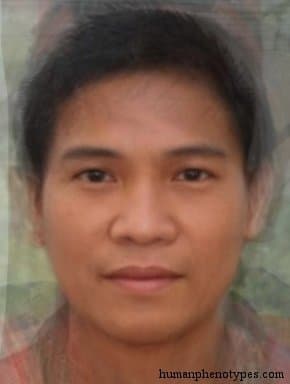
Dayakid
Proto Malayid subtype, the insular counterpart of Palaungids, predates the arrival of Deutero Malayids. Has thus developed a stronger tropical adaption, showing Brasiliform features. Usually found in the interior of larger Sunda and Philippine islands. Purest in Dayaks of Borneo, also common in Batak, Kubu, Toradja, Bugi, Bontoc, Ibaloi, Isnag, Nabaloi, Kankani, Bonto, Kalinga, Ifuago, Jakun, sometimes Taiwanese, Malagasy, Polynesians, and others.
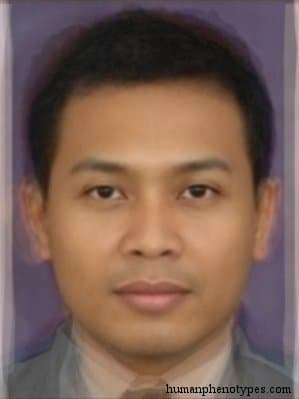
Deutero Malayid
The insular counterpart of Shanids. Several components gave rise to this type in mainland Asia: Proto Malayid and Proto Sinid consumed other elements (e.g. Indid) when they migrated South. Over the past millennia the type dispersed across a vast area from Madagascar to the Easter Island. Typified today by Malays. The dominant element in Malaysia, Java, Central Philippines. Also common across Indonesia, in East Madagascar (e.g. Hova), Cham of Vietnam, West Micronesia, and occasionally Taiwan, East India, South Japan, and Polynesia.
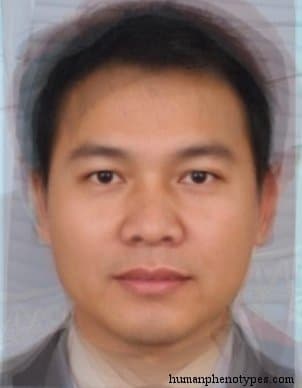
East Palaungid
Eastern Palaungid variety, found in the hills of South China. Shows stronger Sinoid tendencies. Common along the China-Myanmar /-Vietnam border region and from South Yunnan far into Guangdong, Guizhou, and Sichuan. More frequent on hills and mountains than in valleys. Often in Pakanic, Liau, Pu-man, Zhuang, Angku, etc. More mixed in Yi, Miao, Hmong, Yao, and others.
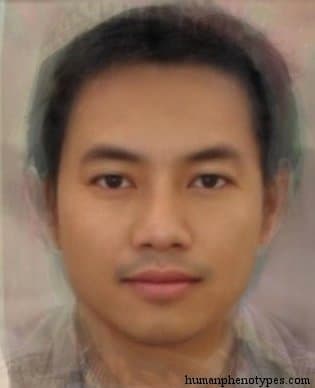
East Shanid
Eastern variety of Shanid, weakly influenced by Veddid. Typical for the plains and river valleys of Indochina, especially from North Thailand to Laos. Probably migrated South from China in historic times, soon outnumbering older types. In recent centuries Sinid elements have caused heavy admixture. Still relatively pure in Lao, Northern Thai, Tay, Sibala, etc. More mixed in Dai, Akha, Brau, Vietnamese, South Chinese, Malay people, and Cambodians.
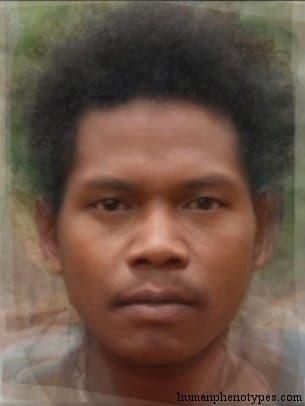
Jahai Semangid
Semangid variety, a Paleolithic relict of the original Malaysian forest population. Shows more Veddoid/Australoid features and is similar to Tapirid. Very rare with a few hundred individuals remaining. Typified by the Jahai tribe of the Semang, but also in Bateq and occasionally other Semang groups and even Jakudn. Loss of culture and forest destruction may wipe out this unique type soon.
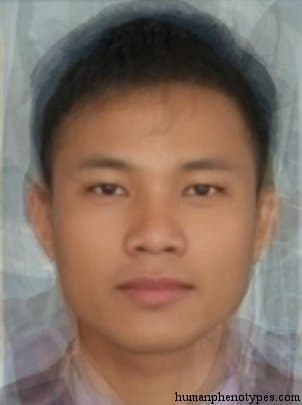
Kachinid
Robust Proto Malayid subtype that probably originated in the Tibet/China border region and spread southwards some millennia ago. Named after the northernmost Burmese state Kachin and its inhabitants, where it is common. Also in Karen, across Myanmar, Bhutan, South to the Mergui Archipelago (e.g. Moken), Nicobar Islands, and deep into Indonesia, where it occurs in Batak, Dayak and even Malay. Played a role in the formation of modern Malaids. Has a Nagid subvariety in Naga, Khmu and Lao.
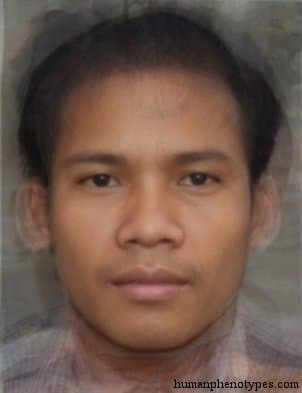
Khmerid
Intermediate type between South Mongolid and Senoid native to Southern Indochina. The type is the result of intermixture followed by cultural brachycephalisation. Typified by the Khmer people of Cambodia. Also in Southern Thailand and the mountains of Southern Vietnam. More mixed in Cham, Sedang, Bahnar, and others.
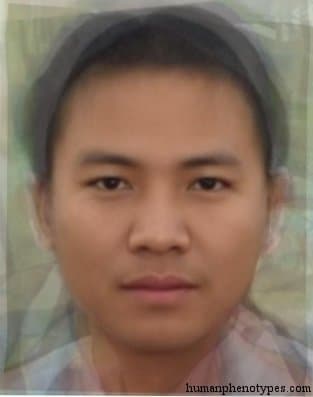
Palaungid
The proper Palaungid variety, typical for the Central Burmese hill tribes, also in Yunnan, Himalaya, South Tibet, Thailand, and parts of India. The name derives from the Palaung tribe (Burmese: "mountain people"). Older than Shanid, younger than Veddids. Typical in Palaung, Wa, Rian, Pa'O and related people. Mixed in Burmese, Karen, Kachin, Shan, Sri Lankans, Tai, South Chinese, Munda, Juang, and many more.
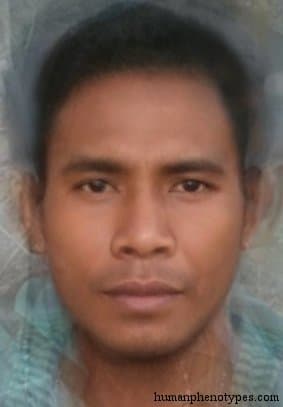
Proto Malayid
Proto Malayid proper type. Relatively old element that probably arrived in the Sunda Archipelago during the period of land bridges in the late Pleistocene. Today in its highest concentrations in the Lesser Sunda Islands like Sumba, Flores, Timor up to Kisar. Also common in the Maluku Islands (Aru, Lei, Tanimbar, Ceram, Ambon, Buru), West Tenggarese of Java, and in Siberut in the west of Sumatra. Occasionally across Indonesia and even in parts of Melanesia.
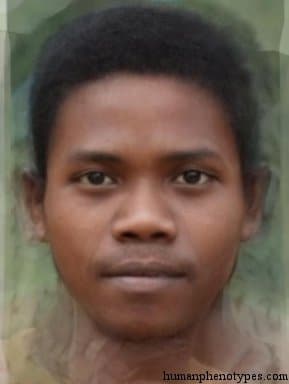
Semangid
Paleolithic, Negriform phenotype found in the forests of the Malay Peninsula, similar to Aetid. Even older and rarer than the cohabitant Senoids with ~1000 unmixed individuals remaining in relict populations. Typified by the Semang, especially Kensiu/Mani, Kenta, Menri, and Sabubn tribes, but also Bateq, Jahai, who often show a more Australoid type. More mixed in Porr. Loss of culture and forest destruction may wipe out this unique type soon.
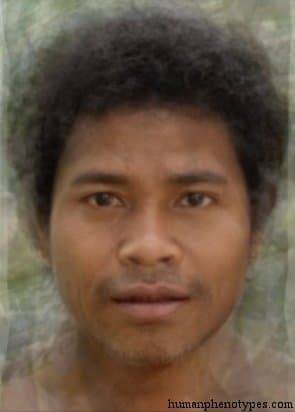
Senoid
East Veddid type, native to the forests of South-East Asia. Was more widespread in historic times and has probably pushed back the even older Negritids. Today a few relict populations remain. Typified by the Senoi (Semai, Temiar, Mahmeri, Chewong...) of the Malay Peninsula. Common in Moken, Degar, Porr, and Shompen. More mixed in Khmer, Sumatrans, Ka, Chinbok, and their neighbours.
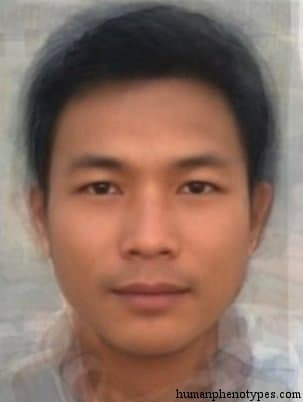
Shanid
Sinoid South Mongolid type, typical in the (Irrawaddy) plains and the Shan Plateau of Myanmar. The name derives from the Shan people, who migrated south from Yunnan in historic times and formed a powerful empire, soon outnumbering Palaungids and Veddoids. However, modern Shan are more mixed. Today most common in Burmese, but also in the hills of Yunnan, Southern China, and even Tibet (especially in the priest caste).
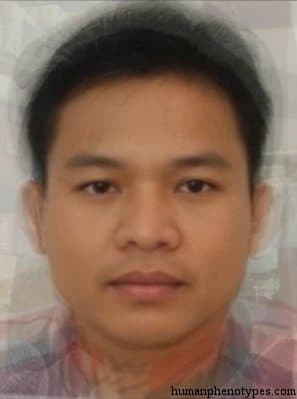
South Palaungid
Southern Palaungid variety, weakly influenced by Veddid. Typical for the hill tribes of Thailand, Laos, and parts of Vietnam. Occasionally in Southern Thailand, Southern China, and south to Borneo and the Philippines. Older than Shanids, but younger than Veddids. Today in its purest form in Lao Soung, Khmu, Lua, Degar, but also common in Lao, Thai, Degar, Khmer, and Karen.
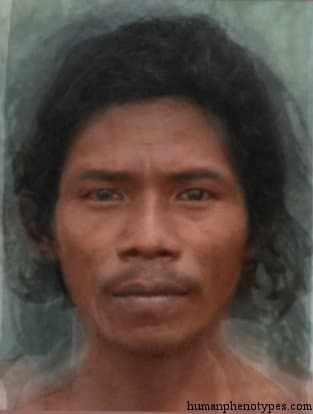
Toalid
The easternmost Veddid type, usually shorter-skulled. The oldest living type of the Sunda Islands. More widespread in historic times and probably pushed back by South Mongolids. Diluted today. In its purest form in the Toala of Celebes, where it occurs in Tokea and Loinang as well. May also be found in Sumatra (Kubu, Lubu, Batak), Borneo (Ulu Ajar), Lombok, Philippines (Aeta, Mangyan), even South-East Papua and Madagascar (Sihanaka).
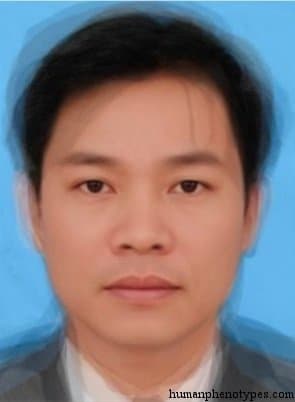
Tonkinesid
South Sinid subvariety, typical for the plains of the Red River in Northern Vietnam. Named after the old Tonkin protectorate / Ðông Kinh region. Developed through continuous Sinid expansions to the South and assimilation of indigenous Shanid elements. Most common in Northern Vietnam, but sporadically also appears in Southern Vietnam and parts of Indochina as well as Southern China.
North Africa
10 phenotypes native to North Africa.
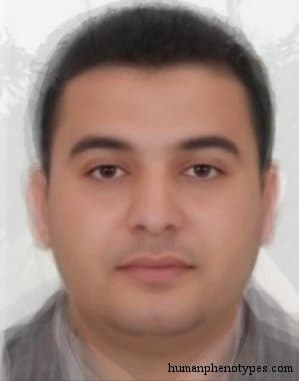
African Alpinoid
The most brachycephalic Maghrebi type, shows close morphological similarities to Alpines and in a lower degree to Armenids and Berberids. Probably not directly related to other Alpines, but the result of a similar adaption. Common in the Atlas Mountains of Algeria and Tunisia. A subvariety exists on the island of Djerba. Extends in lower frequencies across Libya, Egypt, and Morocco.
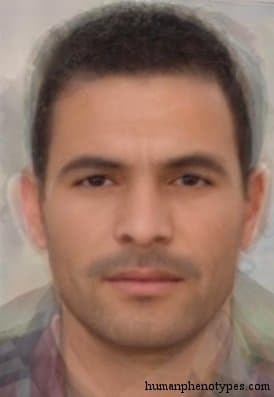
Berberid
A Proto Atlanto Mediterranean type, originally named after Berbers and the North African Barbary. Associated with Paleolithic types that once migrated from West Asia. Present in modern Berbers like Riffians, Kabyles, Shilha, Chaoui, also other North Africans, e.g. Tuareg (Imrads) and Natives of the Canary Islands. A minority type in other parts of Europe (esp. South Iberia, Perigord) and Turkey.
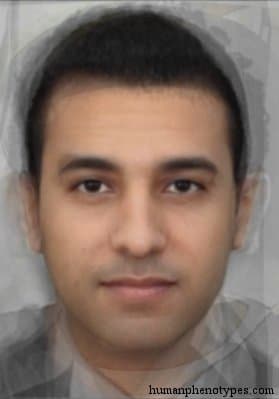
Egyptid
Libyid variety, typical for the Nile Valley of Egypt. May result from ancient South/West Asian migrations that mixed with native Berberids. In its purest form found in Egyptian Copts. In lower frequencies in Muslims of Egypt, North Sudanese, and Libyans. Relative frequency has been reduced during the last centuries, as the frequency of other types in Egypt has increased.
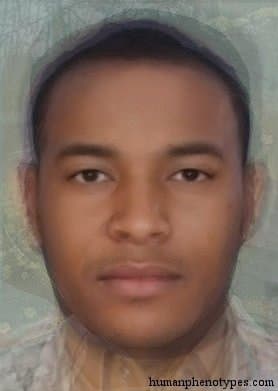
Fezzanid
Saharan type combining ancient elements including Berberid with sub-Saharan elements that often entered the region during the Middle Ages. Common in Fezzanesi of South Libya, the Iravellan caste of Tuaregs, and even Haratins. Today also found in some Arma and Songhai of Mali, a result of Berber invasions. Across the Maghreb the result of Tuareg migrations and historic slave trade.
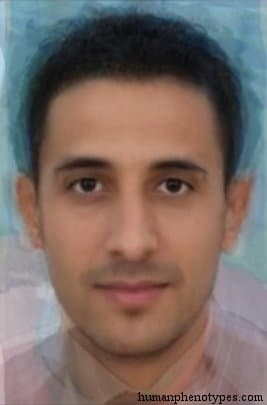
Libyid
North African steppe type that is usually regarded as part of Orientalid. Although Arab invasions enhanced the Orientalid element in Africa during the 7th and 11th century, this type results from much earlier migrations and was already present in the ancient Libyan Garamantes. Still common across the steppes of Libya, Egypt, Tunisia, Morocco, sometimes Algeria, occasionally in the Sahara and in Andalusia. Closely linked to Targid, which can be regarded as its desert variety.
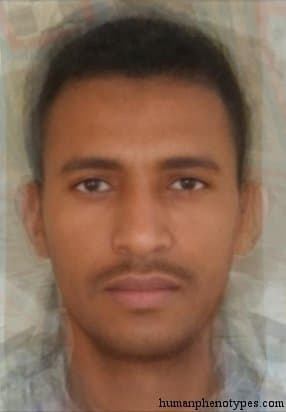
Moorish
Relatively recent contact type of the Western Sahara. Probably formed during Antiquity when aboriginal Berber populations mixed with older West Ethiopid elements. Today most common in Mauritania. Also found in Morocco, especially in coastal cities, Senegal, Mali, and Niger. Typified by the Moors, although the term has been applied to different populations as well. Also in Nemadi, occasionally in Tuareg or Fulani.
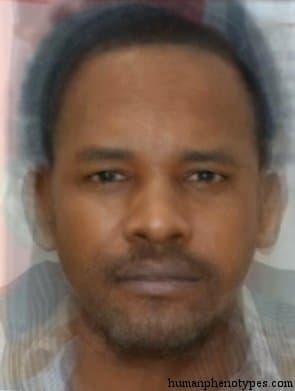
Paleo Saharid
Very ancient type native to the Sahara Desert. Related to Proto Ethiopid, but possibly also shows traces of ancient Khoisanids who were more widespread during the Paleolithic. About 20% of Toubous (Teda) in the Tibesti mountains still show this type. It is also present in Dawada of Libya. In lower frequencies across the Sahara from Haratins in the Maghreb to Sudanese.
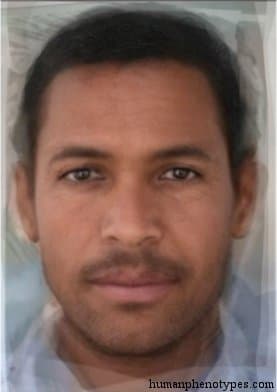
Siwa
Distinctive Berber type typical for the Eastern Sahara Desert. Typified by the population of the Siwa and Awjila oases of Northwestern Egypt. In lower frequencies extends to Jalu (Libya) and other Egyptian oases (Kharga). In the latter, it is transitional to the Nubian type. Rare outside of the desert.
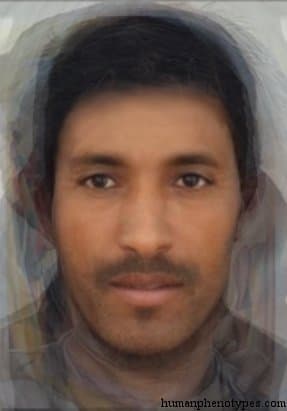
Targid
Specialised type of the Sahara, linked to Mediterranid and Orientalid - the southern counterpart of Libyid and Eurafricanid, but more strongly adapted to the desert. The result of isolation and selection under extreme environmental stimuli. Typified by the nobles of Tuareg (Imoshag) who migrate through a vast, sparsely populated area, especially found in the Ahaggar Plateau. Sometimes in Songhai and Kanuri. The name derives from the singular of Tuareg, "Targi".
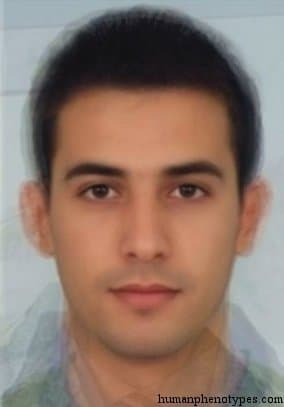
Trans Mediterranid
Widespread Mediterranid subtype with many morphological features intermediate between Eurafricanid and Gracile Mediterranid. Possibly a gracilised Eurafricanid that spread west through ancient migrations that lasted up to Antiquity (e.g. Phoenicians). Today common in North Africa from Morocco to Egypt with high concentrations in Tunisia and Algeria. Also in Western Arabia and Southern Iberia, sometimes Sicily, Sardinia, Canary Islands, and other parts of Southern Europe.
Northern Europe
14 phenotypes native to Northern Europe.
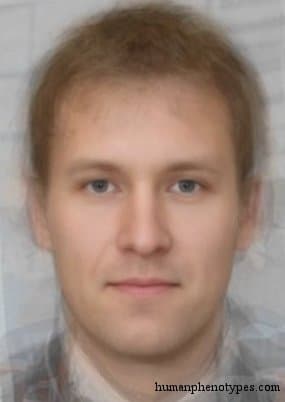
Aisto Nordid
East Nordid subvariety, common in coastal regions of Baltic countries. One of the last strongholds of East Nordids that are only a minority type in most of their distribution today. Played a role in the formation of Tavastid and Trønder. Purest in Western Finns and West Estonians, also Latvians, Lithuanians, Russians, Poles, Belarusians, and in Sweden, where it has a Hälsingland subvariety.
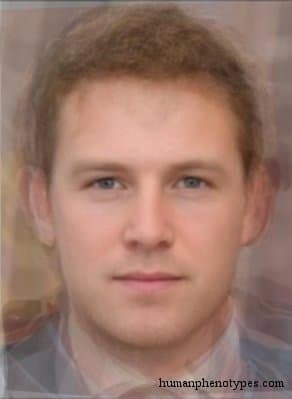
Anglo-Saxon
North-West European type, similar to Trønder, but with a stronger Hallstatt component. Was typified by the ancient Germanic tribes of Angles, Saxons, and Jutes who conquered Britain from the 5th century on. Most common today in East England, but also Frisia (Netherlands), North-West Germany, West Denmark, and parts of Northern France and Ireland.
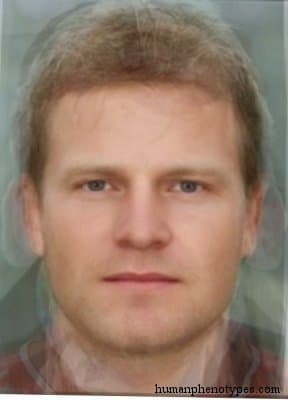
Dalofaelid
Coarse, Cromagniform Nordid variety of Central and Northern Europe. Named after the Swedish province of Dalarna and the German region of Westphalia. Typical areas include Central Germany, Netherlands, and Southern Sweden / Norway, partially even Southern Finland. Germanic migrations in Antiquity dispersed it across Europe. A Dalic, Faelid, and Västmanland subvariety can be distinguished.
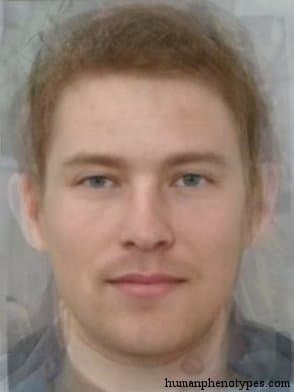
Fenno Nordid
Ancient type of Northeastern Europe, sometimes placed in Nordid, sometimes East Baltid. Associated with Finno-Ugric people, once widespread in Russia. Today a minority element in Eastern Finns, e.g. Mordvins, Komi (esp around Vashka), Mari, Udmurts, and Carelians, sometimes in Russians, Western Finns, Balts, and even Saami. Some relict groups exist in Siberia.
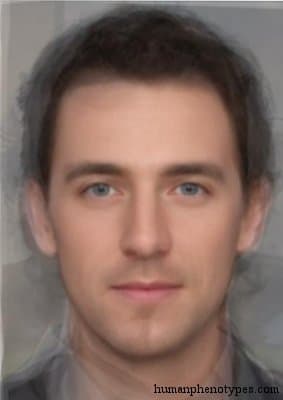
North Atlantid
Western European type that combines features of Nordid and Mediterranid in a unique way. Resembles British Iron Age Celts. The principal element in Ireland and parts of Britain, especially Western Scotland and Wales. Common in Northwestern France, sometimes Belgium, Switzerland, Liguria, Western Germany, and Norway. Sporadically from Portugal and Galicia to Austria and Sweden. Not to be confused with British Eurafricanids altered by Nordid admixture.
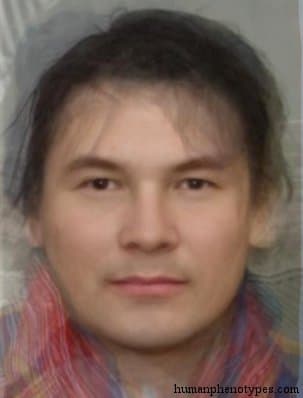
North Lappid
Northern Lappid variety, somewhat closer to Sibirid, possibly due to Samoyedic influence. Associated with Eastern Saami (formerly "Lapps"), e.g. Skolt and Inari speakers. Extends from Finnmark in Norway across Northern Finland to the Kola Peninsula. Rare today, but still extended to St. Petersburg around 1700. Blends in Nenets with Sibirid and in the Volga Kama region with Volgid (Sub Lappid).
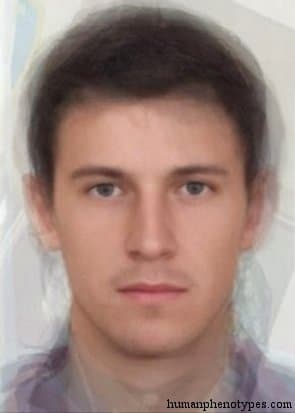
North Pontid
Altered Mediterranoid of Eastern Europe that connects Pontids with more northern types. Most common in a large area from Poland to the Russian city of Penza. Extends north to Finland and south to Macedonia, Bulgaria, Greece (Thracia, North Thessalia), and Georgia. Occasionally west to Eastern Germany. Has a Polesian (transitional to Pre Slavic), Central Eastern European, and Ryazan subvariety.
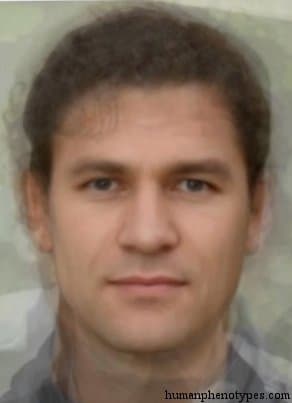
Paleo Atlantid
Ancient type that is sporadically found in Northern and Western Europe, usually only in relict populations. A resemblance with Cro-Magnons has been stressed by some authors. Strongest concentrations in Southern Norwegian mountain valleys (e.g. Tydal), Dalarna (Sweden), Western Scotland, and Ireland. Has a Tydal subvariety in Scandinavia.
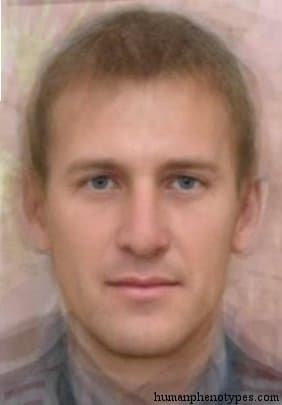
Proto Nordid
Ancient East Nordid variety, the eastern counterpart of the Aisto Nordids. Together with early Mediterranids it was widespread in prehistoric Proto-Indo-European populations of the Eurasian steppes (Fatyanovo). Diluted today. Still found sporadically in Russians, Balts, Rhodopians, Kurds, Gilani, Alawis, Samaritans, Druze, some Persians, Kalash, Pamiri, and sometimes even in Uyghurs.
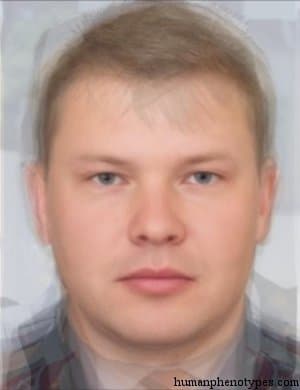
Savolaxid
East Baltid variety, named after the Savolaxia province of Finland, similar to Neo Danubian. Core population in Eastern Finland, Karelia, and Northern Russia, also Lappland. Occasionally found all over Scandinavia and in Eastern Europe south to the Carpathian Mountains. In Norway and Southern Sweden, the type is the result of relatively recent Finnish immigration.
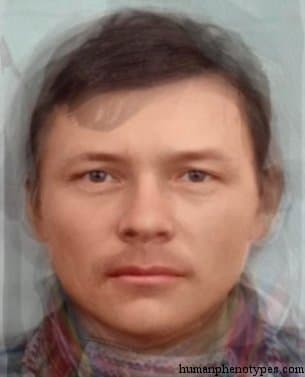
Scando Lappid
Lappid proper - an ancient European type associated with Southern Saami people (formerly "Lapps"). Rare today, often mixed, typical in Northern Sweden and North-Central Norway. More widespread in historic times: around 1700 still common in the proximity of Oslo. Influences are found across Finland, Karelia, Baltic countries, traces possibly even in Carpathians, French (Breton variety), and Basques.
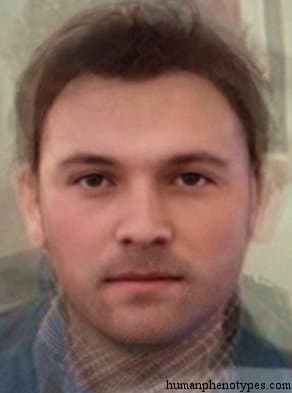
Strandid
Alpinoid North European type most common in Southwestern Norway. The name derives from the Norwegian word for beach ("Strand"). Probably a reduced Paleo Atlantid. Associated with the ancient Norwegian Fosna culture. Strandids are not very numerous and often mixed, however they can occur in many North European populations from Western Finland to Sweden, Denmark, Ireland, and Iceland.
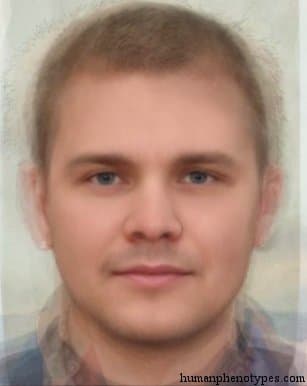
Tavastid
East Baltid variety, typical for the eastern shores of the Baltic sea, similar to Neo Danubian and Borreby. Named after the Tavastia province of Finland. Core population in Baltic countries, from Sweden to Finland and from Estonia to Germany and Romania. Occasionally all over Scandinavia, in Russia, and even Britain.
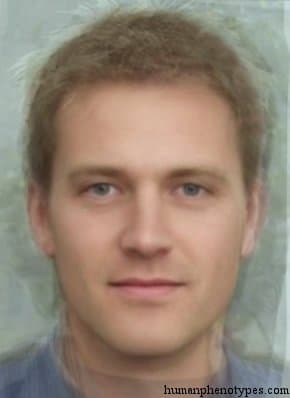
Trønder
North European type, combines features of Paleo Atlantid, Hallstatt, and East Nordid. One of the main elements in the ancient Vikings. Their nucleus lies in the Norwegian Trøndelag region. It also dominates in other parts of Norway as well as Iceland and Central Sweden. Sometimes in other parts of Scandinavia, Scotland, and Northeastern England. Historic Viking migrations dispersed it across several other regions of Europe (e.g. France, Russia, and Italy).
Central Europe
6 phenotypes native to Central Europe.
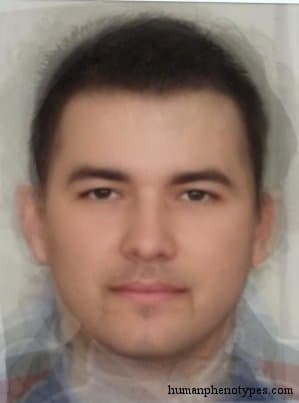
Alföld
Western Turanid subtype, named after the Alföld (Great Hungarian Plain). It developed when Huns and Magyars entered the area during the early Middle Ages and caused a blending of several regional types. Most common in Hungary, especially the Alföld plain and Transdanubia. In lower frequencies it extends across the Balkans and to Ukraine, even Northern Greece.
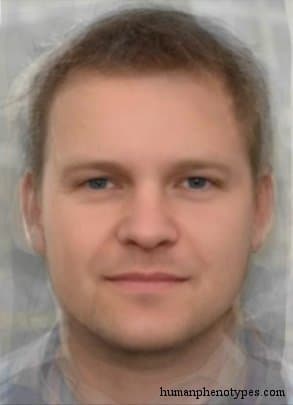
Borreby
Ancient Northern European variety. Named after some of the Neolithic Borreby skulls of Denmark (not all!). Some emphasised resemblance with Cro-Magnons. Similar to Faelid, but shorter-skulled with East Baltid and Alpinid tendencies. Most common in Denmark, South Norway (Jæren), and North Germany (esp. Fehmarn). Extends to the Baltic region, Britain, Italy, and Montenegro.
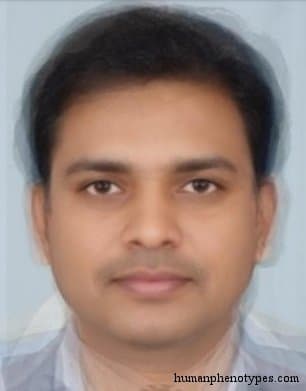
Central Brachid
Indo Brachid variety, with a morphological and geographical position between West and East (Indo) Brachids, but possibly resulting from different, more Alpinoid migrations. Overall taller. Most common in Uttar Pradesh, South Nepal, the Gangetic Plain, the Deccan Plateau, and other parts of Central India as far as Orissa.
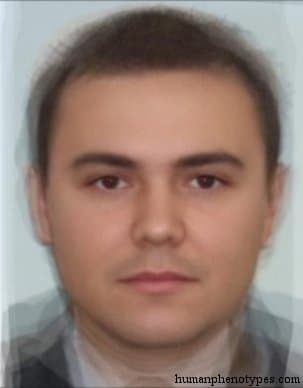
Gorid
East Alpinid variety, named after the Polish word for mountain (Gora). Metrically intermediate between West Alpinid and East Europid. The nucleus of the type lies in Southern Poland, Gorids are also important in Czechs, Slovaks, Serbs, Albanians, Northern Bulgarians, Hungarians, Romanians, West Ukrainians, and their neighbours.
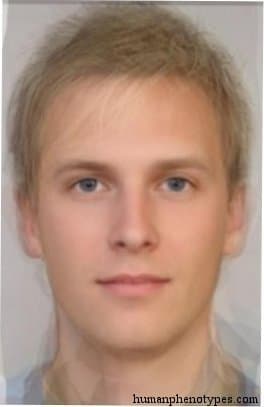
Hallstatt
Nordid proper, resembles the Iron Age remains of the Austrian village of Hallstatt. Most common among Swedes and South Norwegians. Frequent in England, Northern Germany, Netherlands, Northern France, Iceland, Northern Poland, along Daugava, Vistula, and Po rivers, sometimes Austria, Switzerland, Northern Italy. Germanic tribes (Goths, Vandals) brought traces to Spain, Greece, North Africa, and Russia.
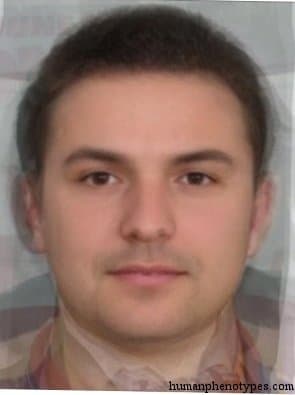
West Alpinid
Alpinid proper, historically found in the mountain regions of Western Europe. Often a cohabitant of a second mountain type, the Dinarid. The nucleus of Alpinids lies in the Western Alps and Central France (e.g. the Swiss Disentis, the French Savoy, Auvergne and Massif Central regions). Common in Southern Germany as well (e.g. Franconia, Black Forest), the Apennines of Italy, Northern Spain, and Belgium.
Siberia
8 phenotypes native to Siberia.
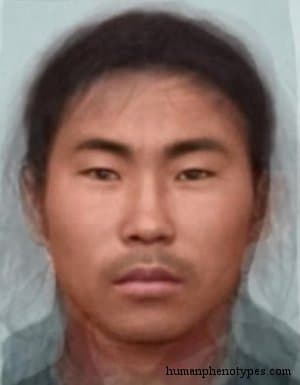
Amur-Sakhalin
Distinctive Tungid variety, probably split from neighbouring types at the end of the Paleolithic. Native to parts of the Sakhalin-Amur region. Typified by Nivkhs (Gilyaks), mixed in Ulchs, and rare in Orochs and Aleuts. Nivkh culture suffered heavily from Chinese and Cossack influence. The type is present only in a few thousand today.
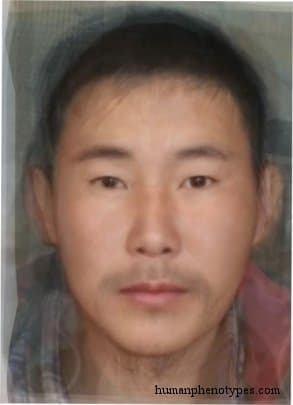
Baykal
Northern Tungid variety, native to the vast, sparsely populated Taiga and Tundra regions of East Siberia, adapted to survive in the coldest habitable places on Earth. Named after the Baykal Lake. Typical for Evens, Eastern Evenks, Yukagirs, more mixed in Yakuts, Western Evenks, Orochs, Chukchis, Koryaks, and related people. Despite the extensive distribution, population is below 100,000.
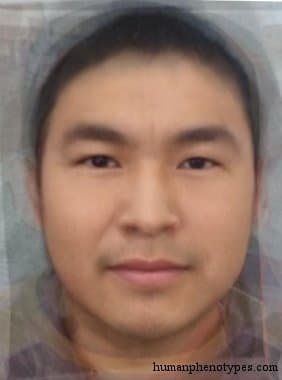
Bering Sea
Western Eskimid variety common in Alaska and along the Bering Strait, esp. St. Lawrence Island. The result of a relatively late migration to America. Eskimids show the most extreme adaptions to Arctic climate in the world. Typified by Alaskan and Siberian Yupik, sometimes in Alutiiq, Inuit, Aleuts, and coastal Chuckis, rarer in Kutchin and Ingalik. Native from Siberia to Greenland.
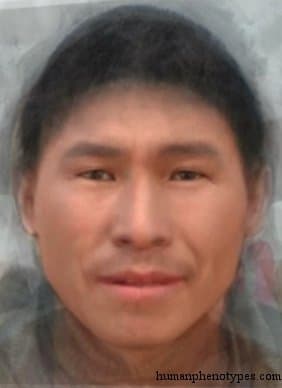
Chukchid
Far Eastern Sibirid variety, influenced by Eskimid, adapted to one of the coldest inhabitable places on Earth: the Arctic tundra of Chukotka and Kamchatka. In its purest form in Koryak and Reindeer Chukchis. Has an Itelmen subvariety that is heavily mixed with Russian blood today. Sometimes in coastal Chukchis, Evens, Yukaghirs, Aleutians, and Native Americans of the Northern Pacific coast, e.g. Haida.
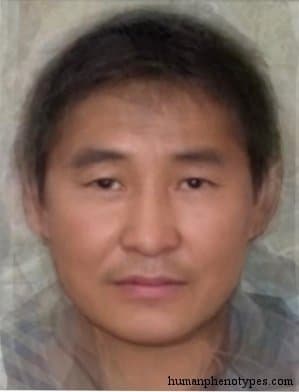
Katanga
Western Tungid variety, influenced by Sibirid, but with several distinctive features differentiating it from both. Named after the Khatanga river. Native to the vast Central Siberian forests East of the Yenisei and along the Tunguska rivers. Frequent in the pre-Tungus population. Today most common in Tofalars, Western Evenks of the Yenisei and Taz river basins, as well as Eastern Tuvins. Although their territory is large, the population exceeds no more than a few thousand.
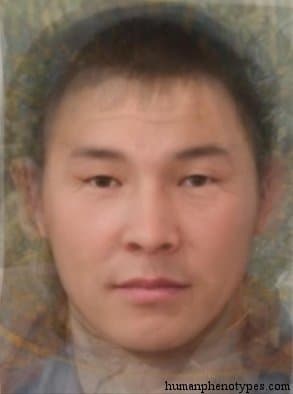
Samoyedic
Northwestern Sibirid contact type, influenced by strong Tungid and possibly Lappid elements. Has migrated to the Yamal peninsula and surrounding regions during the Middle Ages from a more southern place, possibly the Minusinsk Basin or Altai-Sajan region. Typified by the Nenets, also in Enets, and mixed in Selkups and Nganasans. Until the 19th century, relict populations existed in the Altai Mountains.
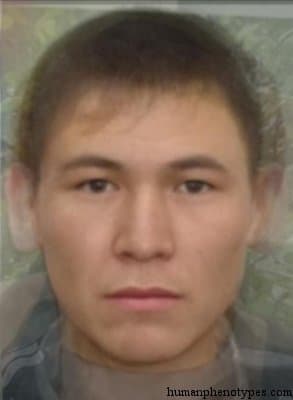
Uralid
West Sibirid subtype, especially common in the basin of the Ob River among Khanty and Mansi people. Sometimes in Altai and Khakassia. Due to the harsh Siberian climate, this type was never very numerous. Today, the indigenous groups are largely outnumbered by Russians.
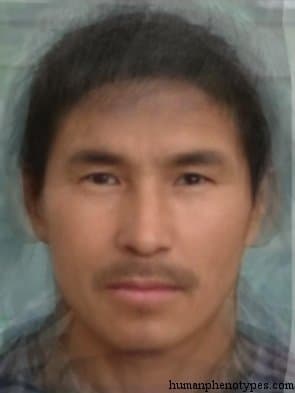
Yenisey
Sibirid subtype of the Yenisei River basin in Siberia. Shows some Americanoid features. Also seems to be culturally and linguistically linked to Pacifids, although no close genetic relationship is clear. May show a Proto Mongoloid state. Most common among the Ket people. They were never very numerous, numbering around 1000 individuals. In lower frequencies in other Uralic people and Nenets.
Middle East
9 phenotypes native to Middle East.
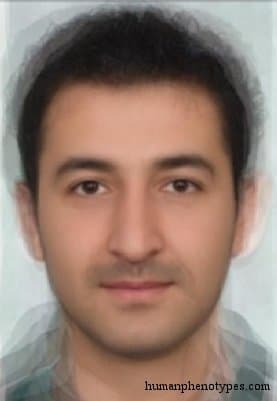
Anatolid
Armenid subtype of Anatolia with Dinaroid features. The core population lives in West Anatolia. Probably the result of Armenid influx into a Mediterranid population. Anatolids are the dominant element in Turkey today, but may also be found among Alawites, Lebanese, Greeks, in the Balkans, Crimea, among Caucasians, and sometimes even Iran.
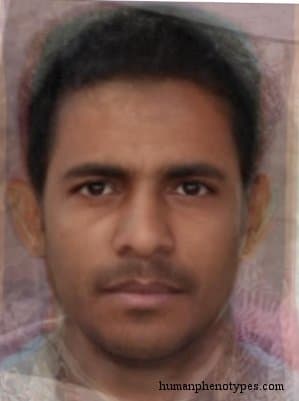
Arabian Veddoid
Ancient Vedda-like type of the Arabian Peninsula and South Iran, often heavily mixed. Found in the Mehri of South Oman, around Hadramaut in Yemen, Iranians of Susa, Makran, and Socotrans. Sometimes in Mesopotamia and even Nubia. This type could be linked to the ancestral Arabian population as well as the Dravidians of India.
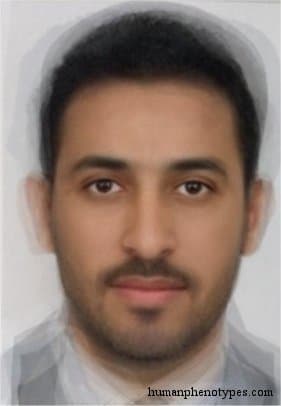
Arabid
Orientalid proper, the most common type of the Arabian Peninsula, often found with Semitic languages. Originally restricted to Arabia, ancient migrations and the Islamic expansion brought it to North Africa, where it is heavily mixed (e.g. Berber Arabs). Conquerors and Arab tradesmen spread it across the Mediterranean, parts of East Africa, India, and Indonesia, Jews to Europe. Since it differs from Mediterranid mainly by soft issue, some include it in Mediterranid.
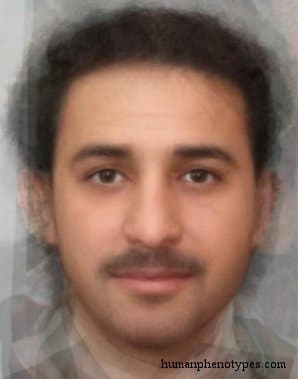
Assyroid
Semitic type that unites Armenoid with Arabid features. Historically important in the ancient Hittite Kingdom and the Assyrian civilisation. Diluted today, purest in Isfahan Jews, but also Ashkenazi Jews and some Syrians and Iranians. Medieval migrations brought it to India, Africa, and Europe, where it was traditionally found in Poland, Belarus, and the Rhine valley. In India sometimes in Parsi and Toda. More recently, it has spread to America and other world regions.
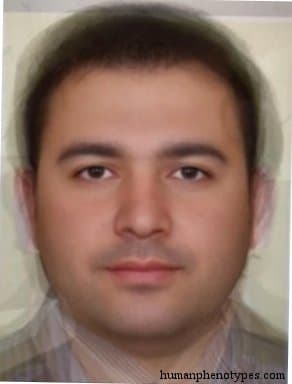
East Alpinid
West Asian type that is anthropometrically and morphologically very similar to European Alpinids. Most common in the mountain zones of Anatolia, to Northern Syria and Iraq. Also found in West Iran, Caucasus, Palestine, and Lebanon. Extends in lower frequencies up to Tajikistan, across Arabia and to Southwestern Europe. The type can easily be confused with similar looking Turanid-admixed individuals.
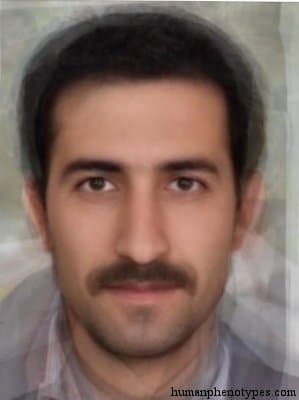
Iranid
Distinctive type of the Iranian Plateau. One of the main elements in Persians, especially in Southwestern Iran. An important element in Kurds, Talysh, Gilakis, Luris. Extends to Afghanistan and India where it can be found in West Tajik, Darts, Nuristani, Azerbaijani, and even Balti. Shows elements of Mediterranids as well as Arabids.
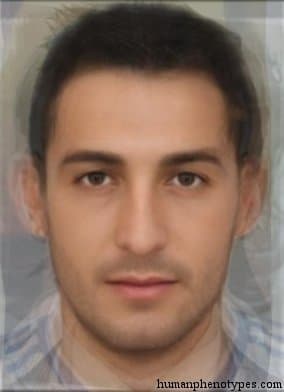
Litorid
Type of coastal European regions that contains Mediterranid and Dinaro-Armenid elements. Probably the result of ancient migrations from Asia Minor across the sea. Found from Lebanon and Southern Turkey to Cyprus, Greece, Italy, Spain, France (Brittany, Gironde), partially British Isles (western and southern coasts, Wales, Scotland), Netherlands, Frisia, sometimes even Scandinavia and Poland.
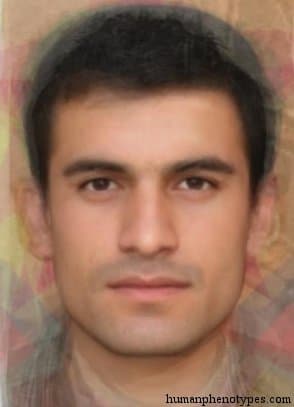
Proto Iranid
Coarse type of Iran and Asia Minor, that can be considered an eastern Eurafricanid variety. More ancient than the more gracile Iranids and Pontids of the region with several Cromagniform features. Transitional to Berberid in the West (e.g. Southern Turkey). An important element from Eastern Turkey to Northern Iran. Found especially in Kurds and North Persians, sometimes in Lebanese, Caucasus, and Balkans.
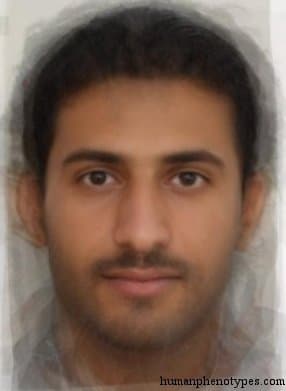
Yemenid
Orientalid subtype that deviates in an Armenoid direction. Most common in South and Central Yemeni. Also in Oman, UAE, Socotra, and parts of Saudi Arabia. Ancient migrations and tradesmen brought it to Northern and Eastern Africa, e.g. it has a long history of admixture in Sudanese Arabs, Rashaida, Kababish, Banguini, Malagasies, and along the Red Sea. Even in India and Iran.
Central Asia
8 phenotypes native to Central Asia.
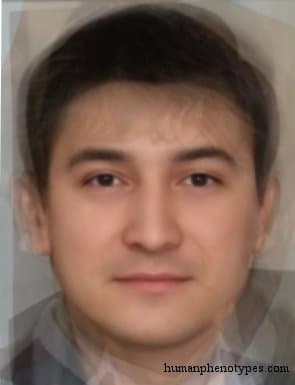
Andronovo-Turanid
Northern Turanid variant, has probably been more widespread prior to the Tungid expansion of Hunnic, Avar, and Chasar tribes. Influenced by the old Andronovo type, possibly even early Nordids and Pontids. May be regarded as North Pamirid. Probably common in the Neolithic Samara culture. Today most common in the Kazan Tatars, but also in other Turkic people.
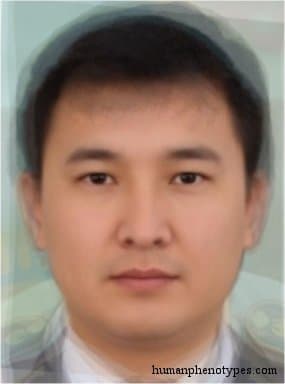
Aralid
West Tungid variety of the vast Central Asian steppes, influenced by Turanid. Developed in ancient times when Hunnic, Avar, and Chasar expansions replaced older Turanid, Mediterranid, and Nordid populations. Today most common in Kazakhs, but also in other Turkic people like Kyrgyz, Uzbeks, and Tatars. In lower frequencies in Yakuts, Nenets, Uyghurs, Mongols, and many others.
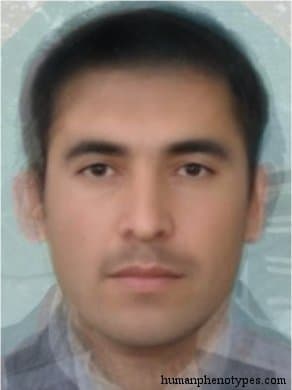
Central Pamirid
The most typical Pamirid variety, also called Mountain Pamirid. Often considered the most typical Turanid. Most common in highland Tajiks, who not only live in Tajikistan, but also Northern Afghanistan and Eastern Uzbekistan. Shows intermediate features between the Plains Pamirid and East Pamirid. It was originally more widespread, and has been pushed back by the Tungid expansion. Sometimes in Uzbeks, Uyghurs, and other Turkic people.
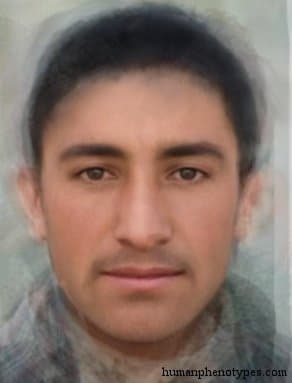
East Pamirid
The most Europoid Pamirid subtype. Most common in Pamiri speakers of the Pamir Mountains in Eastern Tajikistan and Northern Afghanistan, especially in the areas of Rushan, Shugan, and Vakhan. Closer to Armenoid than other Turanids. Represents a relict of an Armenoid-like group once widespread in West and Central Asia.
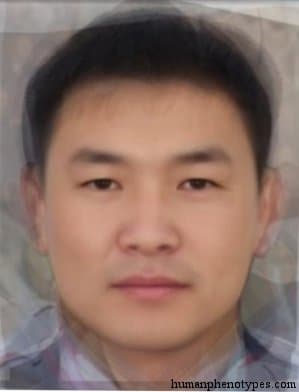
Gobid
Tungid variety of the vast Central Asian deserts and steppes, e.g. the Gobi and Southern Siberia. Developed in ancient stock-farming nomads and was found in Huns, Avars, and Mongols, who migrated West and produced Aralids, etc. Today most typical in the Buryat, Mongolians, Tuvins. Also in Yakut, South Altaians, even some Kazakhs, Evenk, Orochs, Japanese, Chinese, Miao, and Tibetans. During the 17th century Kalmyks brought it West to the Caspian Sea.
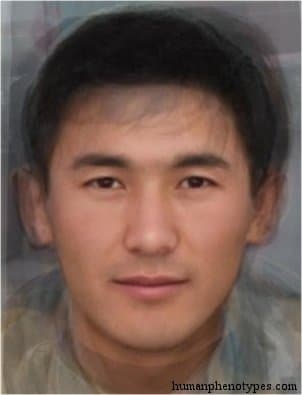
Mountain Aralid
Tungid variety, weakly influenced by Turanid. Usually united with Aralid, but more Mongoloid. Native to the Tian Shan mountains of Kyrgyzstan and Western China. Particularly common among Kyrgyz. Sporadically in Kazakhs, Yakuts, Uyghurs, Mongols, and related groups.
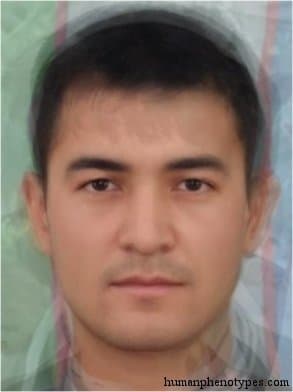
Plains Pamirid
The most widespread Pamirid variety, typical for the steppes and lowlands from Uzbekistan to Xinjiang and the Ferghana Valley. Somewhat influenced by Aralid. Formed by contact of Turanids with Tungid-influenced groups and became widely dispersed by nomads. Most common in Uzbeks and Uyghurs, sometimes Tajiks, Kazakh, Afghans, Chinese, Anatolians, and even Hungarians.
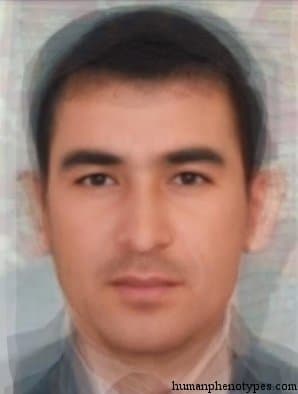
Transcaspian
West-Central Asian Orientalid with Aralid admixture, particularly common in Turkmens. Significantly differs from other Central Asians by longer heads and taller stature. Relatively recent contact type that probably developed in the ancient Joresmi, Alans, and Sogidans due to Mongoloid admixture during the first millennium. Extends in low frequencies to Afghanistan, Iran, Azerbaijan, Uzbekistan, and Turkey.
East Asia
11 phenotypes native to East Asia.
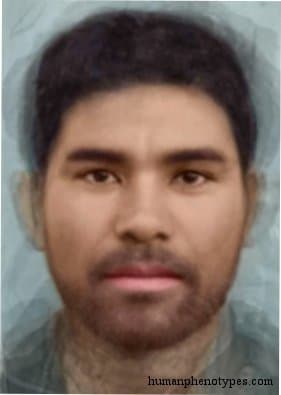
Aoshima
Ainuid proper, the most ancient type of Japan. Resembles Paleolithic Japanese populations like the Jomon people. Probably a relict of an old group once widespread in Asia. Survived in the Ainu of Hokkaido until the 20th century. Today almost extinct due to admixture caused by centuries of Japanese assimilation policy. Occasionally in South Sakhalin, Kamchatka, Honshu, and the Kuril and Ryukyu islands.
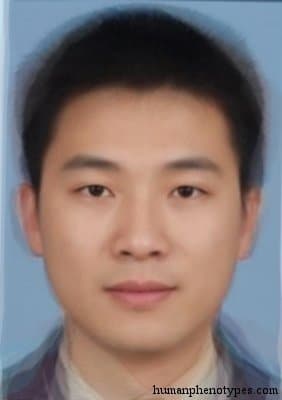
Changkiangid
Sinid subtype, named after the Chang Kiang (Yangtze) river in Central China. Today the most populous human variety in the world. Developed from the river and rice farmers in Central China. Typical in Kiangsu, Chekiang, Anhuei, Kiangsi, Hupei, Hunan, Szechuan, Kueichow, and Yunnan. Millennia of ancient colonisation and trading dispersed it across the Sunda Islands, Tibetan Plateau, and Indochina.
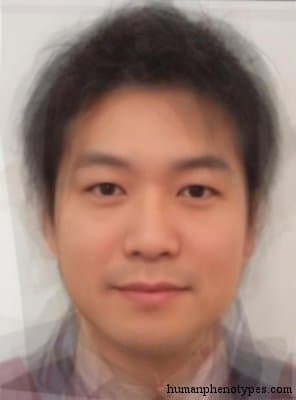
Chikuzen
Special Japanese type, influenced by ancient regional elements. Named after the old Chikuzen province that is today part of Fukuoka Prefecture. Probably represents a Mongolised variant of the Ainuid robust Tsukumo type of the Neolithic. Most common in the northern half of Kyushu Island. Was often found among Samurai. Occasionally found across all Japanese islands.
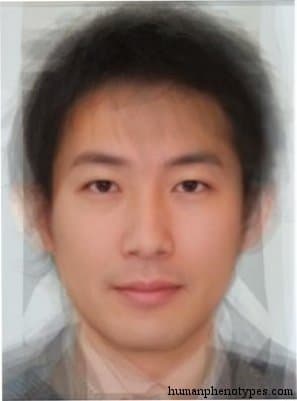
Choshiu
Gracilised variant of the Manchu-Korean type, named after the old Japanese Choshu Domain. Once common in Chinese-Korean aristocracy. Today mainly found in Japan. Can be placed in North Sinid. Probably developed through selection of gracile female features in marriages of the noble circles. In its purest form along the west coast of Honshu, but found across all Japanese islands and sometimes in Korea.
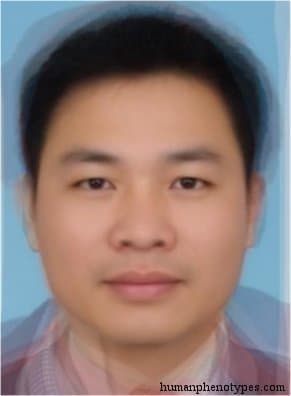
Chukiangid
South Sinid proper subvariety, named after the Chu Khang (Xi) river in South China. Developed in the fishing and gatherer populations of southern subtropical forests of China. Today typical for Cantonese, Guangdong, Fukien, Southern Yunna, mixed in Vietnamese, Tai, and Muong, rare in Southern Japanese/Koreans. Millennia of colonisation and trading dispersed it across Indochina and the Sunda Islands.
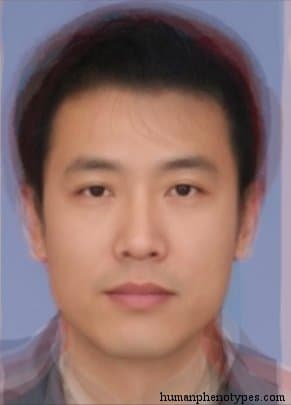
Huanghoid
North Sinid type, named after the Huang Ho (Yellow) river in Northern China. Developed from loess and millet farmers. Usually regarded as the Sinid proper, associated with the Xia dynasty and the beginning of the Chinese empire. Typical in Liaoning, Kirin, Heilungkiang and Jehol, sometimes Hoklo in Fuijan. Ancient colonisation and trading dispersed it across China, Manchuria, Mongolia, Korea, and more sporadically, Japan.

Ishikawa
Special Japanese type, influenced by ancient regional elements. Named after the Ishikawa region of Honshu. Probably represents admixed variant of the Ainuid Miyato Island dwarf type of the Neolithic. Most common in the northern middle and northeastern part of Honshu Island. Sometimes in Ainu. Occasionally found across all Japanese islands.
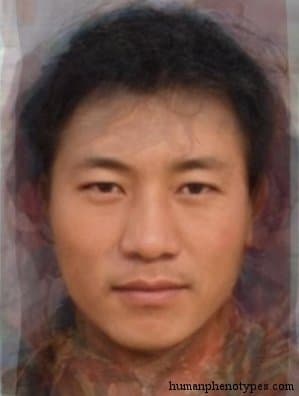
Kham
Robust Sinid variety, found in its highest concentration in Eastern Tibet, especially in the Kham region in nomads and warrior castes. Could be an older Sinid type, or alternatively just an adaption to the high altitude. Also in South Tibetans, Qinghai, Gansu, Szechuan, Yunnan, Northern Burma, Arunachal Pradesh, and in lower frequencies across many regions of East Asia including Indochina.
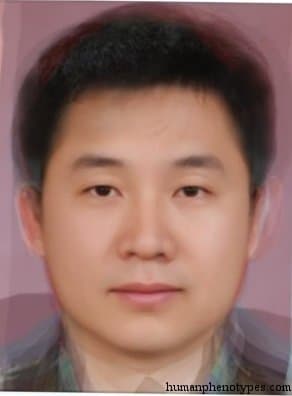
Manchu-Korean
North Sinid subtype, significantly influenced by Tungid. Typified by Manchu and Koreans. Most common in Manchuria / North China, and Central as well as North Korea, occasionally across China and in the Amur Valley. Has a Japanese Okayama subvariety that is especially found around Kyoto and in the west of central Honshu. The Japanese Choshiu type is a gracilised modification and sometimes included.
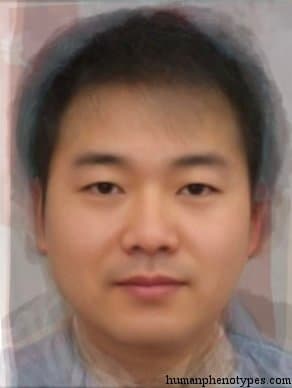
Satsuma
South Mongolid type of Japan and Korea, somewhat influenced by Tungid. Named after the Satsuma region of Kagoshima. Today the most populous element in Japan as it is found along the densely populated southern coasts of Kagoshima, Shikoku, and Honshu. Also in the Ryukyu Islands and along Korea's south coast. Developed through ancient South Chinese / Malayan migrations to the North.
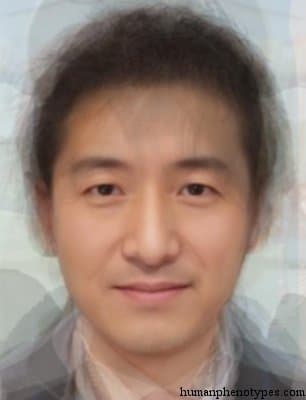
Yakonin
East Asian type that has been associated with the ancient Japanese government and nobility circles. The name derives from yakunin (Jap.: bureaucrat). Shows pseudo-Semitic features and may in blend produce Indianoid individuals. Occasionally found across Japan, although nowhere particularly common. Rare in China, where it may be linked to Tibetid elements
North America
11 phenotypes native to North America.
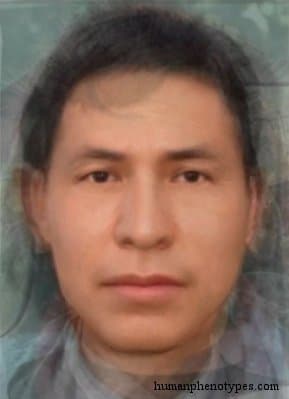
Appalacid
Silvid subtype, native to the North American Atlantic forests, from the Great Lakes to the Appalachians. Shows some Europid traits, not only phenotypically, but also genetically. This could be due to early colonial admixture, or Proto Europid migrations across the Atlantic (Solutrean hypothesis) or the Bering Strait, the latter being the most likely. Common in East Algonquins and Iroquois, more mixed in Mi'kmaq, Cherokee, Cree, and others. Rare today in pure form.
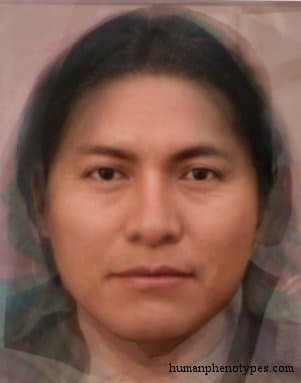
Arizonid
Relatively recent North American contact type. Started to develop as Athabaskan speakers of Canada migrated South during late Pre-Columbian periods, and became more numerous when Europeans reintroduced the horse to America, which facilitated bison hunts in the prairie. Today typical in Apache, Navajo, and Comanche, also in some neighbouring tribes. Still relatively numerous.
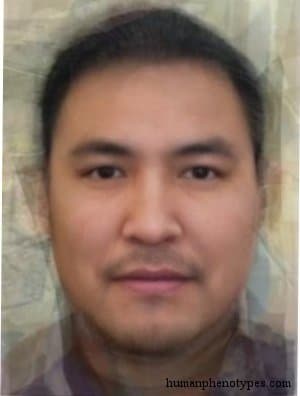
Athabaskid
Northern Pacifid variety, heavily influenced by Sibirid and Eskimid admixture. Developed by relatively late migrations from Asia some millennia ago that swept into Proto Pacifid populations. Typical from Alaska to the Canadian states of Yukon, the Northwest Territories, and British Columbia. Common in Athabaskan speakers like Ahtna, Carrier Chilcotin, Dogrib, Sacree, Tanana, Telah, Tutchone, and others. Eskimid-admixed in Chipewyan and Gwich'in.
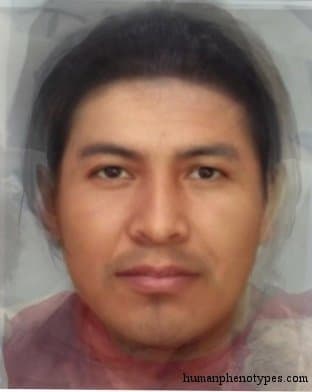
California Pacifid
Pacifid variety of California and South Washington. In its purest form in Northern California. Typified by the Yurok as well as Chinook groups. Also in Hupa, Modoc, Klamath, the extinct Chumash, and related people. Mixed with Margid in Maidu, Miwok, Yokut, and many others. In recent decades, admixture with non-natives has significantly increased, so that the type will most likely vanish soon.
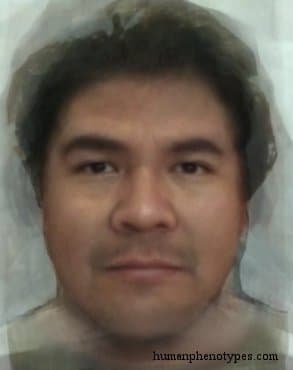
Californid
Ancient Margid subtype, probably arrived with one of the oldest migrations to America. Shares some features with Ainuids. During the last centuries still present along the Californian coast. Has continuously been pushed back by other Native Americans and later Europeans. Close to extinction, survives in a few descendants of Yuki, North Pomo, Wailaki, Kato, Huchnom, and Wappo.
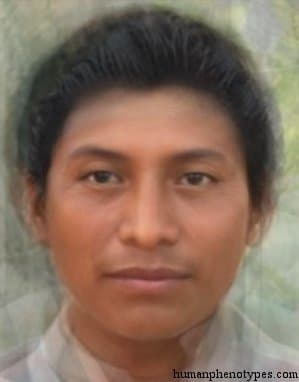
Maya
Centralid subtype with a position between Pueblid and Isthmid and a variety of unique features. Was the dominant element in the ancient Maya civilisation of Southern Mexico and Guatemala, where it is still common even today. Also in many groups from Oaxaca like Mixtec, Zapotec, Chinantec, Huave, and others.
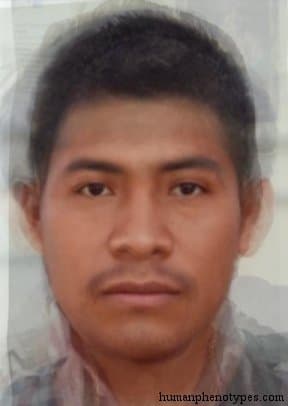
Mexicid
Margid proper. Probably arrived with one of the earlier migrations to America. Typified by Otomi, Purépecha, Pame, Pima of Mexico, as well West Mono and Pomo of California. More mixed in Maidu, Aztecs, Maya, Yuma, Shoshone, and many others over a large area from Northern Guatemala to the Great Plains. Although it is often mixed today, it still plays an important role in modern Mexicans.
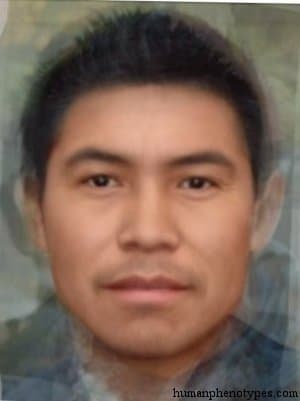
Pacifid (proper)
American type, native to the moist forests of the North Pacific coast, from Aleuts across South Alaska, British Columbia to Oregon. Purest in Wakashan and many Salishan speakers, especially Kwakiutl and Nez Perce, also Flatheads, Tlinkit, Haida, Coeur d'Alene, Shuswap, Yakama, and many related groups. Weak influences range from Labrador to Texas and even Hawaii. In its centre a Northern, Kwakiutl, Thompson River, and Harrison Lake subtype exist.
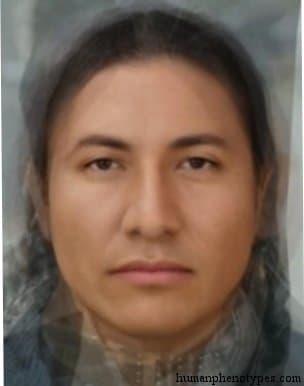
Planid
Native American type, named after the Great Plains of North America. In pre-Colombian times concentrated in the Central Canadian forests from where it extended to the Mississippi. When Europeans reintroduced the horse to the continent, bison hunts enabled settlement of the Prairies. Today common in Siouan speakers (Dakota, Assiniboine, Lakota, Crow, etc.), Blackfoot, and Cheyenne. Mixed in Ojibwe, Apache, Dogrib, and others. Population still in the 100,000s.
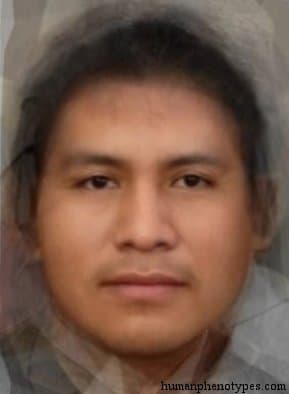
Pueblid
Native American type, named after the Pueblo communities in Southwestern North America. Extends over a large area of Southern US states as well as Mexico. Most common in Hopi, Zuni, Choctaw, Caddo, Ute, Mohave, Nahua, Huichol, and many of their neighbours. As far North as Ojibwe and Kickapo and as far South as Aztecs, in those groups usually more mixed. Albinism comparatively common.
Sonorid
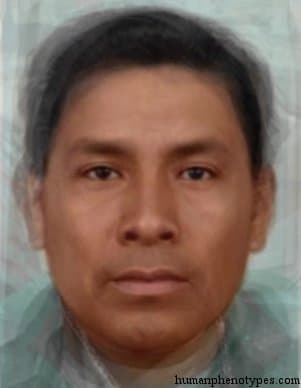
Margid subtype, native to the hot Sonora desert of South Arizona and California, as well as Northwestern Mexico. Probably arrived with one of the earlier migrations to America. Today typified by the Pima (O'odham) and the Seri. More mixed in Yuma, Papago, Tlapaneco, and many other people of the Southern US and Mexico. Probably played an important role in the extinct inhabitants of Baja California.
Caucasus
2 phenotypes native to Caucasus.
Armenid
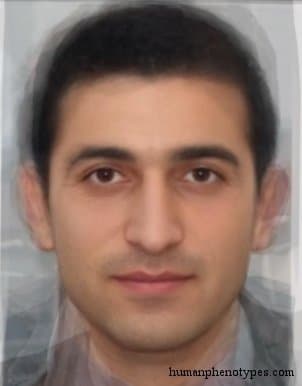
Widespread type, found in its most specialised form in the mountains of Asia Minor. Associated with the ancient Cypriots and the Hittite Kingdom. Common in Armenians, Turks of mountain regions (e.g. Taurus), Lebanese, and Mazanderani. Significant in Georgians, Ossetians, occasionally Azerbaijanis, Kurds, West Persians, Jews, across the Mediterranean (Crete, Southern Italy and Southwestern Spain, Crete, Tunisia), in Central Asia, Syria, traces far South to Yemen and India.
Mtebid
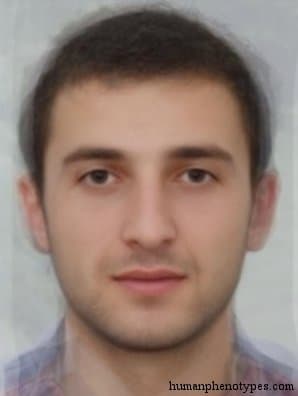
Regional type of the Caucasus Mountains. Probably an Alpinised Dinaro-Armenid adapted to life in mountainous regions. Mtebids are typical of the Georgian population and common among Chechens, Ingushes, and Ossetians.
Australia
5 phenotypes native to Australia.
Barrinean
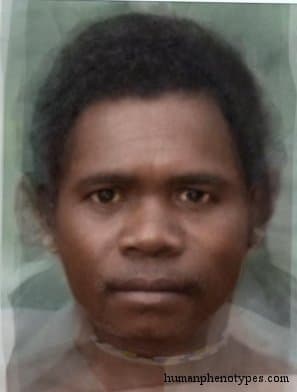
Australid subtype of the forest belt associated with the Australian pygmies. Could be the remnant of an ancient Negrito strain that once occupied large parts of Australia, or alternatively the result of a process of reduction. Shows similarities to Tasmanids as well. Practically extinct today. Around 1900, a few Barrineans still survived in the jungles of Queensland. For millennia they had been pushed back by Carpentarians, later by European colonists.
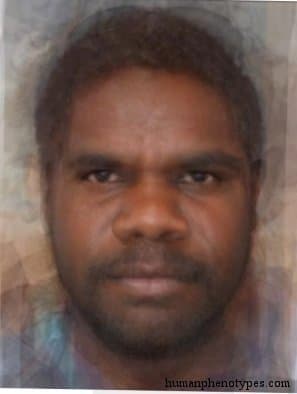
Desert Australid
Australid desert variety adapted to the arid interior of Australia. Has furnished the general public idea of the typical Australian Aborigine. Basically a North-South Australid blend with a variety of exaggerated features. Typical tribes include Ngaanyatjarra, Pintupi, and Pitjantjatjara. The desert people have had contact to European colonisers only since the 20th century, thus the type is still relatively common.
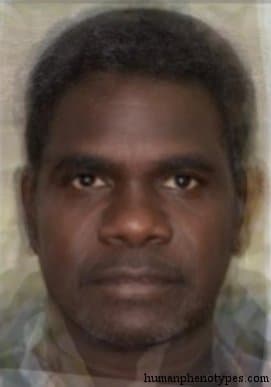
North Australid
Australid type of Northern and Central Australia typical for the Gulf of Carpentaria. Shows some similarities to Paleo Melanesids. By some associated with prehistoric immigrants from India (Veddoids). In its purest form in the Gulf of Carpentaria and Arnhem Land, but dominant all over Northern Australia. Occasionally in Melanesia (especially New Caledonia) and Southern New Guinea.
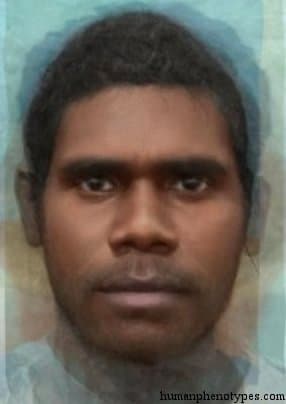
South Australid
Australid subtype with proto-Caucasiform features associated with the people of the Murray basin of Southeastern Australia. Originally the most numerous Australid type, European settlers colonised the fertile lands of the South-East first and pushed back the natives. Today almost extinct in pure form, many mixed individuals remain. Was typical for Wiradjuri, Darling, Narungga, Wirangu, and related people.
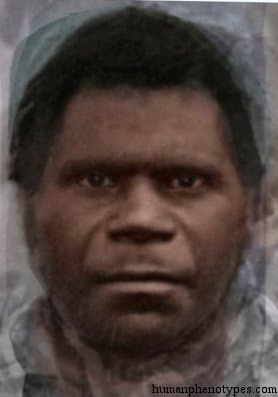
Tasmanid
Insular, slightly gracilised Australid subtype of Tasmania. Similar to Barrinean, sometimes also associated with Melanesid or Negritid. Most likely developed due to isolation after Tasmania split off Australia. Extinct today, the last full-blooded male / female died in 1869 / 1876. European colonists had wiped out the type within a few decades by war, displacement, and most importantly introduced diseases. However, a few descendants of mixed ancestry remain.
Southern Europe
6 phenotypes native to Southern Europe.
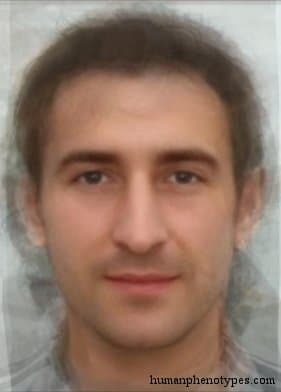
Baskid
Ancient European type associated with the Basques. Found in its purest form in the Pyrénées-Atlantiques region of Southwestern France, although many modern French Basques are West Alpinid. Also present in Northern Spain, where it is rather mixed with Mediterranid and thus less brachycephalic. Sometimes along the French Atlantic coast and in Wales. Linked to North Atlantid.
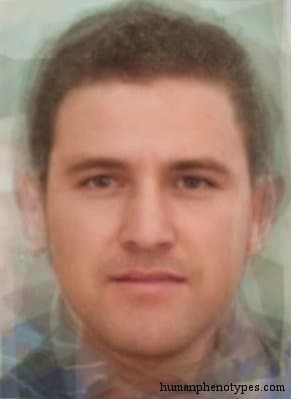
Canarid
Maghrebi type with similarities to Cromagnids and North Europeans - probably in part a result of convergent evolution of pre-Neolithic North Africans adapting to cloudy mountain regions, and partially of prehistoric migrations from Europe. Historically in some areas of the Canary Islands, especially in Gomera, Tenerife (Guanches), and Gran Canaria, heavily mixed on the islands today. Also in Berbers (Riffians, Kabyles), Tunisians, and Western Libya (Giado, Nalut).
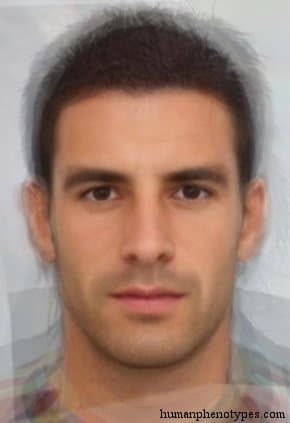
Eurafricanid
Atlanto Mediterranid proper type. Relatively old, present in early Natufians and European as well as North African megalith builders. Spread across the Mediterranean since the Mesolithic until Antiquity. Today common in Portugal, Eastern Spain (e.g. Valencia), Liguria, Western Switzerland, Wales, Croatia, North Algeria, Morocco, and Canary Islands. In Mesopotamia more diluted and transitional to Proto Iranid.
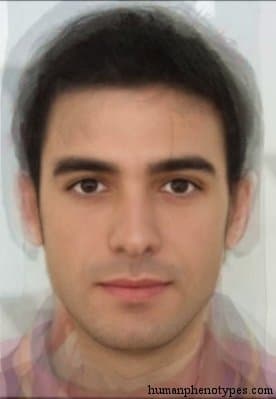
Gracile Mediterranid
Mediterranid proper, smaller than other Mediterranids: the most gracile type of Europe. Appears first in Mesolithic groups of Palestine (Natufians). Common in Iberia, Southern Italy, Mediterranean islands, Western France, Southern Greece, Northern Tunisia. In low frequencies across Europe, e.g. Western Germany (esp. Rhineland-Palatinate), Ireland, Wales, Southern Bulgaria to the Black Sea and the Levant.
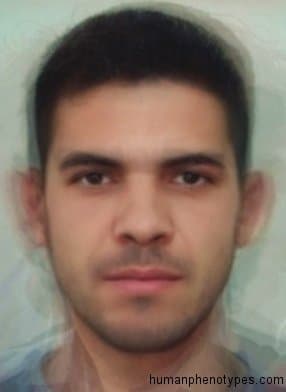
Paleo Sardinian
Ancient type, was widespread in Central Europe during the Neolithic, has survived as a minority element in the mountains of the Italian island of Sardinia. Morphologically similar to Berberid, although significantly gracilised and genetically different. Both show a Paleo Mediterranean state. Similar traces exist in Perigord (France), Aegean islands, Eastern Sicily, Southern Calabria, and Southern Turkey.
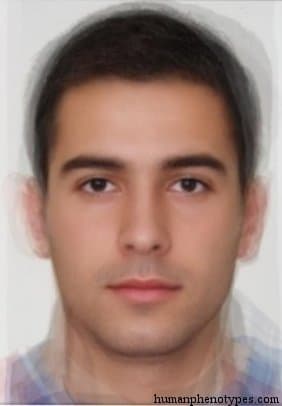
Pontid
East Mediterranid type, sometimes associated with ancient Scythians, Kurgans, and other steppe peoples. Common in the Balkans, especially Bulgaria, Macedonia, Greece (Thracian subvariety), Western Turkey, Ukraine, Southern Russia, Azerbaijan, Northwestern Iran (e.g. North-West Persians and Lurs), and parts of Mesopotamia (Chaldeans, Mandaeans, Samaritans). Sporadically in Lithuania, Poland, Romania, Silesia, Italy, Caucasus (Cherkess), and Arabia.
West Africa
13 phenotypes native to West Africa.
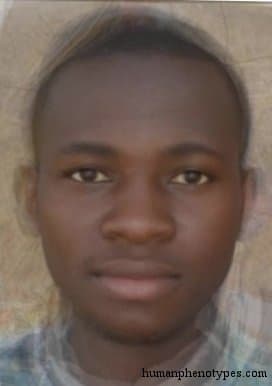
Bobo
Sudanid variety with shorter skulls than Sudanids proper, and several other unique features that set it apart from other neighbouring groups. Similar to the Casamance type, but taller and wider-faced. Found in its purest form in Bobo-Fing and Bobo-Dyula in the Upper Volta region of Burkina Faso and Mali, also in Dogon, Senufo, and Songhai. In low frequencies across West Africa e.g. in Casamance and Ashanti.
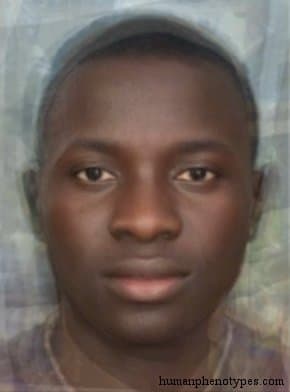
Casamance
Type of the Sudanid-Guinesid contact belt with a variety of unique features that set it apart from other groups. Most common in the lower Casamance region of West Africa in South Senegal, Gambia, and Guinea-Bissau, where it is found in Jola, Jola-Felupe, Diamate, and related groups. In low frequencies across West Africa in Ashanti, Bayot, Dyula, Dagomba, Bolon, Tiefo, and others.
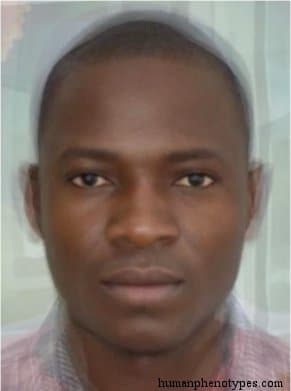
Equatorial Sudanid
Central African variety with Sudanid and Congolid elements, living in the Savanna regions of East Cameroon, Central African Republic, South Sudan, and even Gabon and Uganda. May be found in Azande, Baya, Mundu, Banda, Nzkara, Logo, Keliko, Kresh, Bongo, Avukaya, Madi, but also Fang. Sometimes in Bamum, Ewondo, and many other related people.
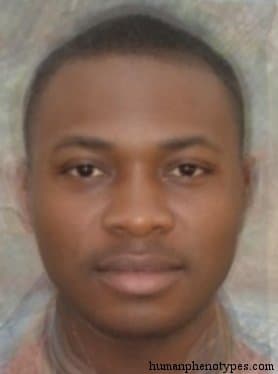
Guineo Camerunian
West African type, the shorter-skulled counterpart of Guinesids. May constitute the transition to Congolesids. Common in forest regions of Côte d'Ivoire, Benin, Liberia, Ghana, Togo, Nigeria, and Western Cameroon. Sporadically in Senegal, the Upper Volta region, and Congo Basin. Frequent in Gagu, Anyi, Ashanti, Southern Igbo, Cameroonians (e.g. Bakaka, Nen), and many related people.
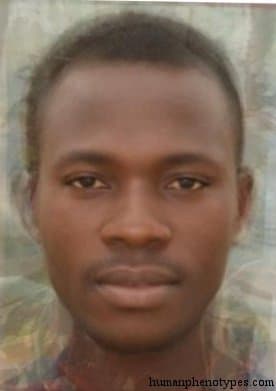
Guinesid
West African forest type native to the littoral of the Gulf of Guinea. Extends from Guinea all the way to Cameroon and sporadically even to Northwestern Angola. Typically found in Susu, Konyanke, Krou, Kuranko, Kissi, Guerzè, Kpelle, Yakoba, Temne, Bidyogo, Baule, Dida, Nago, Yoruba, also Ekoi, Kongo, Teke, and related people.
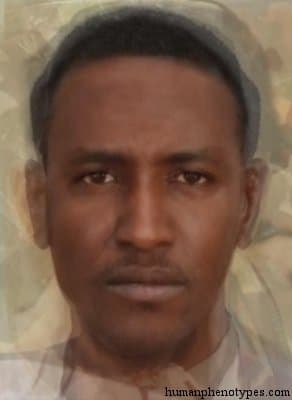
Saharan Ethiopid
Ethiopid type that was more common during the Neolithic when the Sahara was still green. Today it extends from Chad to Niger, Northern Nigeria and even Cameroon. Found in its purest form in the Toubou of the Tibesti mountains in Northern Chad. More mixed in Hausa, Iravellans of the Tuareg, Kanembu, Buduma, Zande, Fur, even Eton.
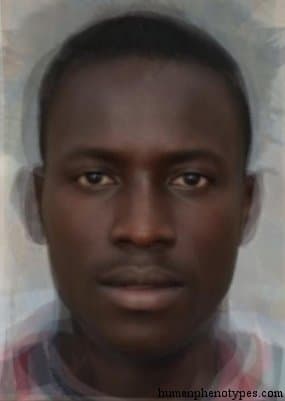
Senegalid
Gracile Sudanid variety, named after the country of Senegal, where it is found in its purest form among Wolof, more mixed in Serer. Occasionally in Fulani, Mande speakers, and across the Sahel zone. Connections to Fulani are much stronger than for other Sudanid varieties, some Ethiopid influence is possible.
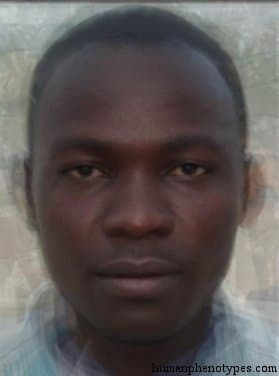
Shari
Special type named after the Chari river of Chad. Intermediate between Sudanid and Nilotid, but with several unique features that have long been stabilised. Most common in Southern Chad and Northern Cameroon. Typified by the Sara. Also in Bua, Mbum, Ouldeme, Madara, Massa, Mousgoum, Banda, and even Azande.
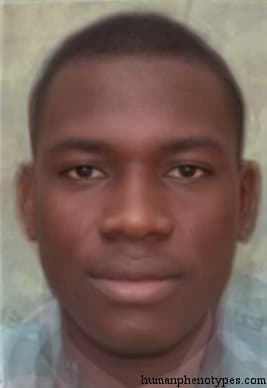
Sudanid (proper)
Sudanid proper. Widespread savannah type named after the Sudan region of West Africa. Found in its purest form among Mossi, Lobi, Dagaaba, Senufo, Northern Malinke, Gurunsi, Songhai, and Bambara. More mixed across many regions of Western Africa, e.g. Southern Haussa, Ashanti, North Igbo, Yoruba, Moors, and many more.
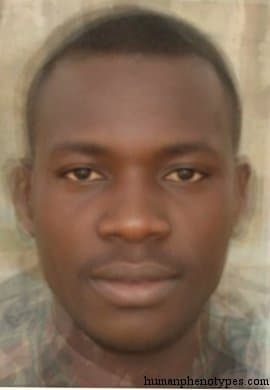
Sudano Guinesid
Transitional type between Sudanid and Guinesid, common in West Africa. Although it is just a contact type, it is sometimes separated from the two main varieties, because it is very numerous and the dominant element in many ethnic groups. Found from Senegal to Mali, Ivory Coast, Benin, Nigeria, and Western Cameroon. Common in Mandinka, Mandjak, Fon, Dyula, Ekoi, Gurma, Balanta, Baga, Mankanya, Yoruba, Yalunka, Karaboro, Wamey, and many others.
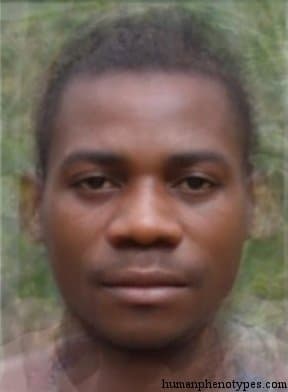
West Bambutid
Type of the West African Pygmies, that split from East Bambutid during the late Paleolithic. Shows a strong rainforest adaption. Historically more widespread, still found in the forests of Cameroon, Gabon, Congo, and Central African Republic. Typified by the Baka, Aka, Bongo, Gyele, and Kola. Loss of culture and forest destruction could make this unique type vanish forever soon.
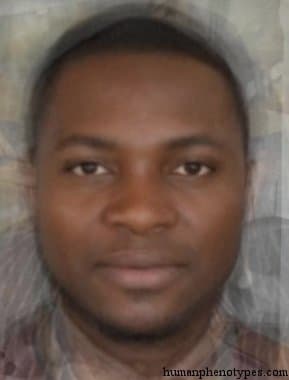
West Congolesid
African forest type, intermediate between Congolesid, Guinesid, and Sudanid, but with a variety of unique features. Common in Southern Cameroon, Congo, Western Central African Republic, and Gabon. Typified by Makaa-Njem speakers, also in Bamileke, Bassa, Ewondo, Batanga, and Eton. Sometimes Bamum and others.
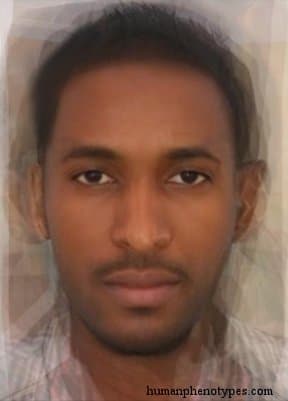
West Ethiopid
Ethiopid subtype that was more widespread across the Western Saharan regions during the Neolithic when the area was still a green savannah. Found from Mauritania to Senegal and from Guinea to Northern Cameroon. Common in Western Fulani, especially Pular speakers of mountain regions. Mixed in other Fulani, Moors, Hausa, and related people. From the 15th century on, Islamisation, migration, and wars caused many of these groups to become heavily admixed.
South America
15 phenotypes native to South America.
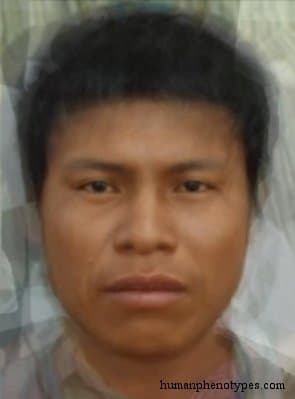
Bororo
The northernmost Patagonid variety, often mixed with local Lagid elements, but with a variety of unique features. Native to the savannah and forest landscapes of West Bolivia and the Brazilian state of Mato Grosso. Typified by the Bororo that include Umutina and others. More mixed in Bakairi, Nahukuá, and the groups of Gran Chaco. Population decreased dramatically since European contact, and only a few thousand remain.
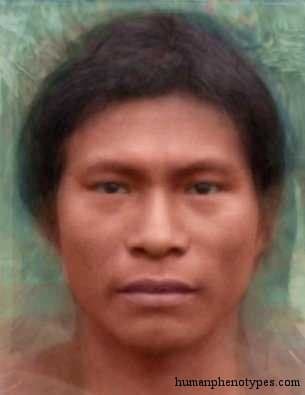
Botocudo
Lagid subtype of the Mata Atlântica forests of Brazil, partially mixed with the Fuegid substratum (South Fuegids, Huarpids). Was the dominant type of the Botocudo (Aimoré) people that experienced a dramatic population decline after European colonisation. Today, the last Botocudo survive as the Krenak, who still number a few hundred.
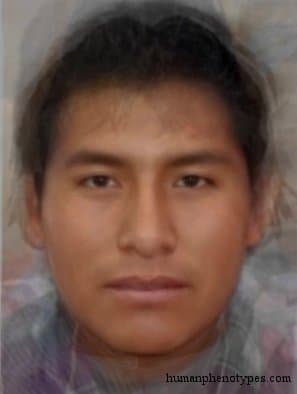
Central Andid
Andid variety, mostly native the Andes mountains from South Peru to Northern Chile. The large thorax and other traits indicate a significant adaption to high altitude. Typified by Aymara. Also common in Southern Quechua and Diaguita, sometimes in other Andean people like Uros, Peruvians, and Mapuche. Survived European colonisation relatively well and is still a dominant type of modern Bolivia.
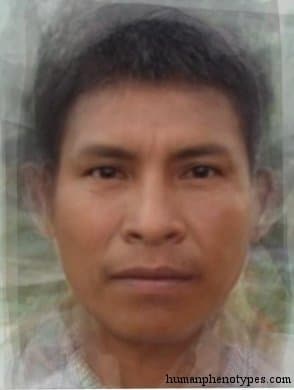
Chocó-Motilon
Special type found in Colombia, Venezuela, as well as Panama. Contains Brasilid elements as well as relicts of one of the first migrations to South America that show similarities to Fuegids. Typical groups include Chocó (Embera, Wounaan), Motilon (Barí, Yukpa) and some related people, many of them extinct today. Was also present in Pre-Columbian Ecuadorian cultures.
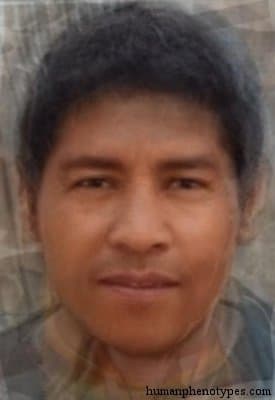
Huarpid
Northern Fuegid variety that is often considered part of the Lagoid group. Shows Melanesiform features and probably arrived with one of the earliest migrations to America. Native to the Argentinian Cuyo and the Bolivian savannahs. Typified by Huarpe, common in Sirionó and the almost-gone Comechingónes. More mixed in Uros. Was common in Pre-Colombian times, but numbers only a few hundred today.
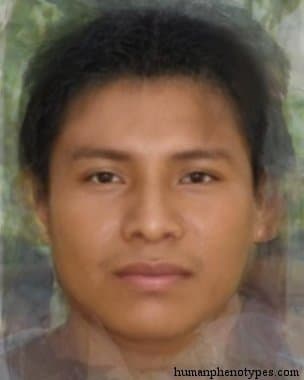
Isthmid
Centralid subtype, that has partially adapted to the tropical forests of the Isthmus of Panama and the surrounding regions from Colombia to Mexico. Played a role in the ancient Maya civilisation. However, the most typical groups live farther South and include the Mayangna, Pech, Kuna, Naso, Ngäbe, Bokota, and related people.
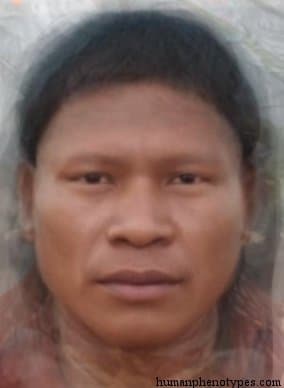
Lagoa Santa
Lagid proper, named after fossil remains of Brazil. Associated with one of the first migration waves to South America. Skulls sometimes Melanesiform. More widespread in prehistoric times. Still common in Jê speakers like Xavante, Xerente, Krahô, Kayapo, Apinajé, U'wa. Also in Xingu and Ayoreo and some Amazonians (e.g. Yanomani, Ye'kuana). More mixed in Bororo, even in the extinct Pericú.
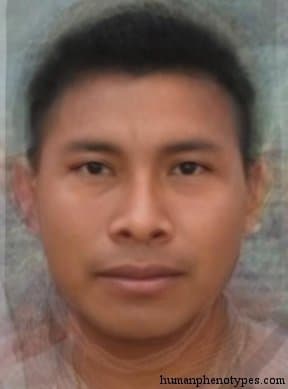
North Amazonid
Amazonid proper, the dominant type of the rainforests North of the Amazon River to the Caribbean. Common among Cariban speakers, e.g. Caribs, Makushi, Pemón, Taurepang, Wayana, Yabarana, among others. The fearsome Caribs made the Spanish create the word "Cannibal". Originated in Guyanan savannahs and expanded to the Caribbean, where it pushed back the West Amazonids. European contact and disease dramatically ended their reign.
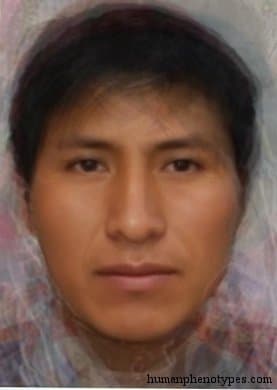
North Andid
The most important and numerous Andid subvariety, adapted to the high altitudes of the Peruvian and Ecuadorian Andes. Typified by Quechua. The dominant element in the ancient Inca Empire the largest in pre-Columbian America. Still the most numerous Native American type even today with more than 10 million individuals.
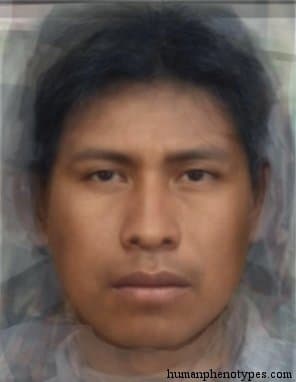
Pampid
Slightly gracilised Patagonid variety, native to the vast plains of the Argentinian Chaco and Pampa. Sometimes mixed with Amazonid elements. Typical groups include the Chorote, Chané, Mataco, Kadiweu, Pilagá, Toba, Wichí, Mocoví, Abipón, and the extinct Charrúa of Uruguay. Mixed with Andid in Puelche. Today still important in the Paraguayan Mestizo population.
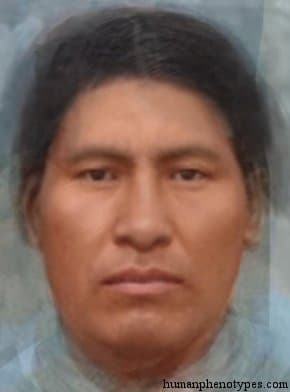
Patagonid (proper)
The most characteristic variety of the Patagonid group. Once dominated the cool grasslands of Patagonia. Was pushed back by Mapuche as well as Europeans. Probably had some very tall and massive subvarieties (the extinct Tiremenen). Today only found in some Tehuelche, often mixed. Slightly Fuegid-admixed in Selknam, whose last full-blooded member died in the 1970s.
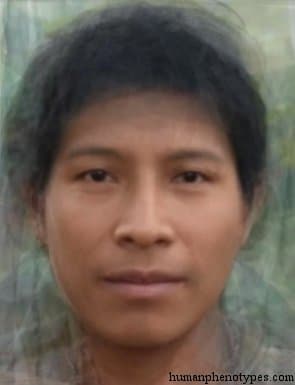
South Amazonid
The most dynamic Amazonid variety, emerged in northern savannahs and spread south across Brazil to Paraguay and Argentina, pushing back older Lagids. Common among Tupian speakers, e.g. Apika, Awá-Guajá, Guarani, Kawahib, Chiriguano, Piripkura, etc., and the extinct Tupi and Querandí. Although tribal numbers collapsed since European contact, still important in Brazilian / Paraguayan Mestizos.
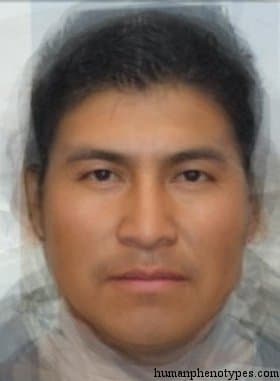
South Andid
The southernmost Andid variety, somewhat influenced by Patagonid. The dominant type in Mapuche, native to Chile. More mixed in the extinct Chonos of South Chile. Although disease reduced numbers drastically after contact with the Spanish, the type spread east across Patagonia until the 18th century during a process of Araucanisation, and gave rise to blends with Patagonids (Puelche, etc.).
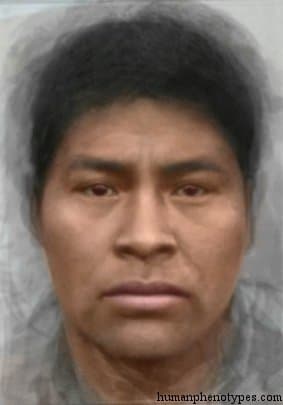
South Fuegid
The most characteristic Fuegid variety, adapted to the cool climate of Southern Chile. Named after Tierra del Fuego. Often considered part of the Lagoid group. Very ancient, probably arrived with one of the earliest migrations to America. The last survivors in the 20th century were Yaghan and Kawésqar. Their populations rapidly declined during the last decades, not more than 20 full-blooded remain today. Was also found in the extinct Chonos, Changos, and others.
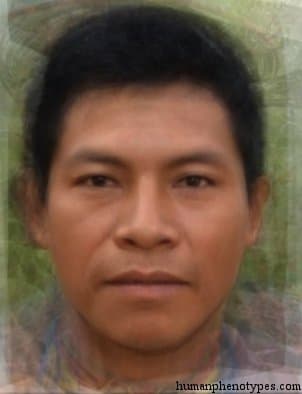
West Amazonid
Amazonid subtype, the most frequent type in the Western Amazon rainforest. Common among Arawakan speakers, typical groups are Yawalapiti, Asháninka, Mashco-Piro, Piapoco, Wayuu, among others. Possibly originated in Colombian savannahs and expanded to the Caribbean and Amazonia, where older Lagoid elements were assimilated. Has partially been pushed back by North Amazonids and Isthmids in the centuries prior to European contact.
Melanesia
8 phenotypes native to Melanesia.
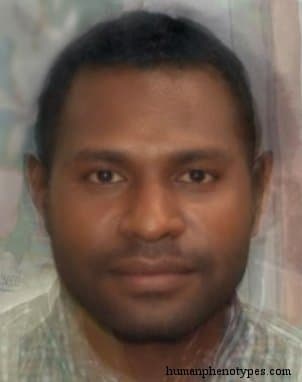
Brachio Melanesid
Atypical brachycephalic Melanesid variety native to Melanesia and New Guinea. In its most pronounced form in the Kerewo of Goaribari Island in the Papua Gulf - and the related Kiwai. Another centre lies in the Bismarck Archipelago. Occasionally in East New Guinea, highlanders (Bena Bena), and along the Bougainville Strait.
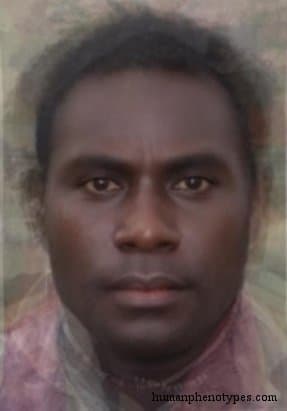
Bukaid
Melanesid variety, associated with the ancient "Walzenbeil" culture. Has sometimes been described as bantuiform, although no close genetic relationship to Africans exists. Dominant in the Western Solomons (e.g. Buka, New Georgia) and Bougainville as well as Nissan. Mixed in the Admiralty Islands, New Ireland, New Hannover, North-East New Guinea, and some other parts of Melanesia.
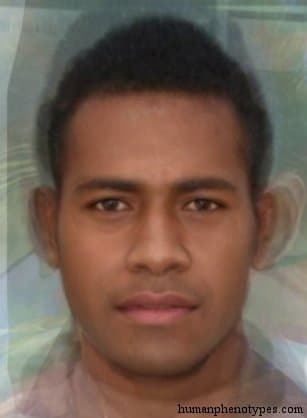
Fijid
Polynesid-Melanesid contact type. The dominant type in the population of the Fiji Islands. Both elements have probably mixed in the zone for several millennia. Also found in the Solomons, Vanuatu, East New Guinea, and some other regions of Melanesia and Polynesia.
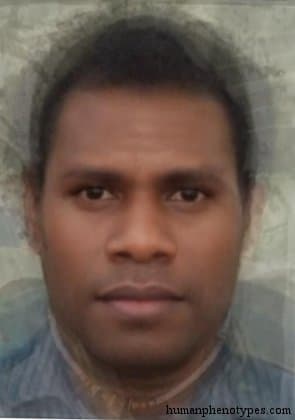
Insular Melanesid
Melanesid proper, associated with many Austronesian speakers of Melanesia. Similar to Paleo Melanesid, but with softer features. Common in East Papua, New Britain, New Ireland, Admiralty Islands, Eastern Solomon Islands, Nendo, Banks Islands, and Vanuatu. More mixed in Eastern Indonesia, New Caledonia, Fiji, across Polynesia and Micronesia, Philippines, and even Taiwan.
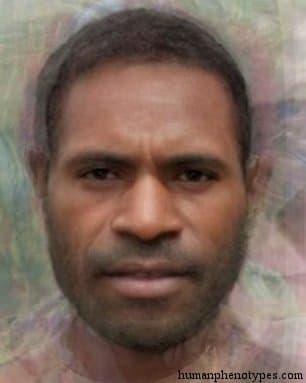
Mountain Melanesid
Melanesian mountain variety, relatively ancient with similarities to Paleo Melanesid. Found mainly among New Guinean highlanders like Dani, Moni, Ekagi, Mbowamb, Enga, Paniani, Yali, and many others. Occasionally across the New Guinean lowlands and the hills of the Bismarck Archipelago (e.g. Baining) and Solomon Islands.
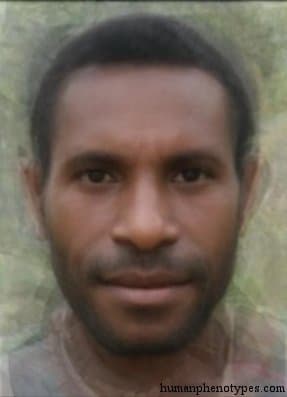
Neo Melanesid
Melanesid subtype of New Guinea. Found especially in lowlands and river plains, with its highest concentration in the south of the island. More common in Papuan speakers. Also in the Torres Strait, Ceram, Halmahera, East Flores, Aru, and North Australia. Has recently been pushed into minority status in Western New Guinea.
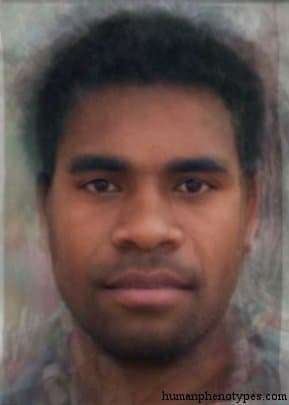
Paleo Melanesid
Melanesid variety with very ancient features, closer to Australids. Typified by the Kanak of New Caledonia, in its purest form in the north of the island. Also important on the Loyalty Islands, Vanuatu, Solomons, East New Guinea and Eastern Australia, Fiji, occasionally across Polynesia. Maori wiped it out in New Zealand many centuries ago. Has recently been pushed into minority status in New Caledonia.
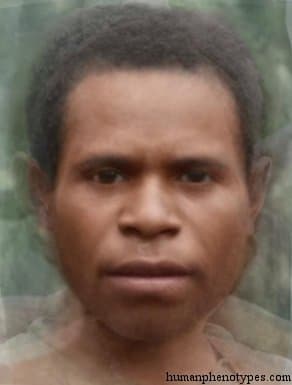
Tapirid
Pygmy Melanesian type. In difference to many other Pygmies, it shares a common history with its taller neighbours and probably represents a secondary adaption driven by iodine deficiency. Typified by the now-gone Tapiro. Also in Pesechem, Goliath, Aiome, Afere, Baining, Mafulu, Yali, Kimyal, Mek, Ketengban, and Una. Occasionally in Vanuatu and the Bismarck Archipelago.
Eastern Europe
5 phenotypes native to Eastern Europe.
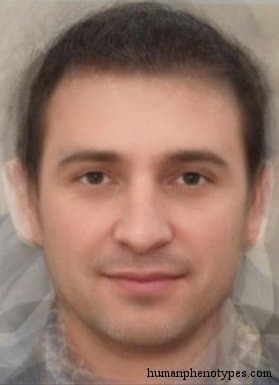
Carpathid
European type with Gorid and Dinaro-Armenid elements. Common around the Carpathian Mountains of Central Eastern Europe, e.g. in Huzulis and other Ruthenians, but also right-bank Ukraine. In the high Carpathians outnumbered by Dinarid. Also in Romanians, Poles, Hungarians, Slovenians, Czechs, Croatians, and even Serbs and North Italians (esp. in Romagna).
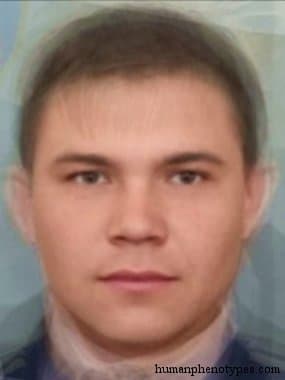
Ladogan
Ancient, mostly Europid type of Northeastern Europe and Western Siberia associated with the ancient Kammkeramik culture. Probably played a role in the formation of modern Uralids and Baltids. Survives in people of the Ural region, especially Khanty, Mansi, and Chuvash. In low frequencies it extends west to Europe and east to the Altai.
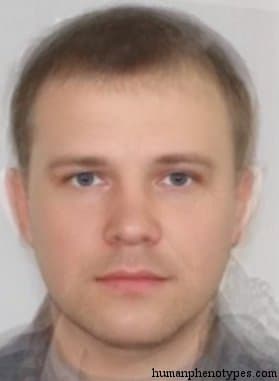
Neo Danubian
East Europid variety with Nordic and Ladogan elements, associated with Slavs. Became more populous during the last centuries, increasing brachycephaly in Russia. Frequent in Belarus, Greater Russia, and Poland. Widespread, from Siberia to Greece and Hungary. Sometimes in Baltic countries, Finland, Ukraine, Romania, Bulgaria, Czechia, Slovakia, Serbia, even Germany and Austria.
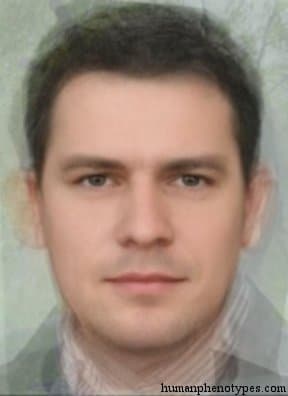
Pre Slavic
Ancient Central European element, associated with Pre-Slavic people. Common in Poles and West Ukrainians, especially in Volhynia, Galicia, Podolia, and east of Warsaw. May be found in the Balkans, in Czechs, Slovaks, Austrians, Germans, West Ukrainians, and Russians, even Finns. The fairer Vistulan, the Sudetic, and the Danube-March Valley types are similar and may be regarded as subvarieties.
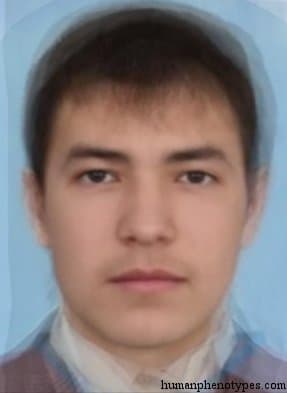
Volgid
Eurasian type, especially common west of the Ural in the basins of Sura and Moksha Rivers of Russia. Found in Mari, Chuvash, Volga-Finns. More mixed in Udmurts, Finns, and Ryazan population (where the taller, narrower-nosed Mordva subvariety is found). The Central European counterpart is the Pre Slavic type. In combination with Lappid a more brachycephalic Sub Lappid variety is produced.
Sub-Saharan Africa
17 phenotypes native to Sub-Saharan Africa.
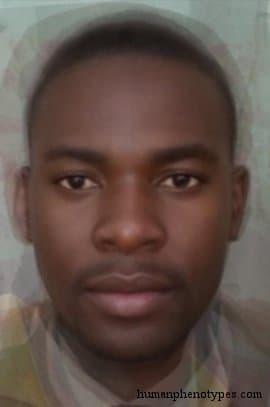
Central Bantuid
Bantuid variety, characterised by elongated features and strong dolichocephaly. Found especially in Mozambique and Zimbabwe, also Malawi, Namibia, Botswana, Zambia, Angola, South Africa, Madagascar, and adjacent countries. Entered the area as a result of the Bantu expansion some millennia ago. Typified by Tsonga and Tonga, also in Kunda, Mbundu, Vili, Venda, Nyungwe, and others. Rarer across Congo to Gabon and Cameroon.
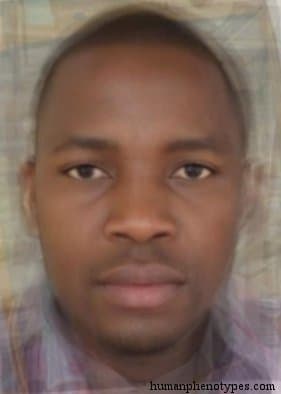
Chopi-Tswana
Bantuid variety, overall similar to Central Bantuid, but with weak Khoisan influence, placing it closer to Xhosaid. Developed as a result of the Bantu expansion when Bantu assimilated some older Khoisanid elements. Found especially in Botswana and South Mozambique, with lower frequencies in Zimbabwe, South Africa, and adjacent countries. Typified by the Chopi and Tswana, also in the Nyamban, sometimes Tsonga, Sotho, and surrounding groups.
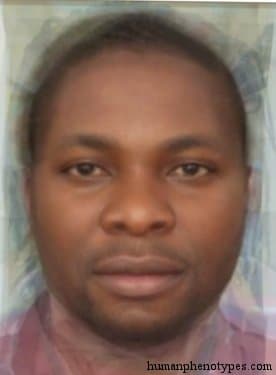
Congolesid
Widespread type of the Congo forest basin, common from Gabon to DR Congo, Central African Republic, Angola, and Zambia. Typical for Western and Northern Bantu speakers, e.g. Lingala, Tshiluba, Bapoto, Boa, Ngumba, Ba Soko, Mpongwe, Barotse, and related people, more mixed in Chokwe, Kordofanians, Zande, Kongo, etc.
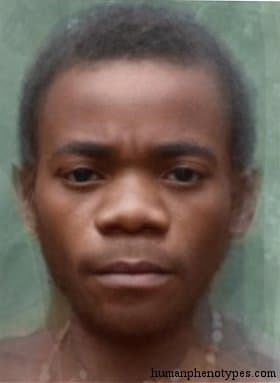
East Bambutid
Bambutid proper: shortest pygmy type in the world with an extreme rainforest adaption that has evolved since the Middle Paleolithic. Historically more widespread, still found in the Ituri forest of DR Congo, among Mbuti, Asua, Kango, and Efe. Loss of culture and forest destruction could make this unique type vanish forever soon.
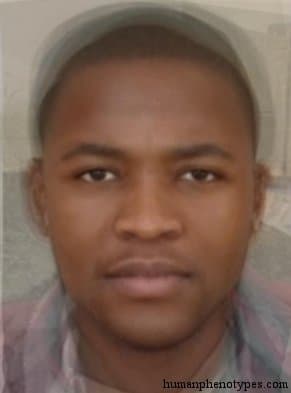
Fengu-Pondo
Bantuid variety, similar to South Bantuid, but with weak Khoisan influence, placing it closer to Xhosaid. Developed as a result of the Bantu expansion when Bantu assimilated some older Khoisanid elements. Found especially in the eastern provinces of South Africa, e.g. Eastern Cape, KwaZulu-Natal and Free State, also Lesotho and Southern Mozambique. Common in Fengu, Pondo, and Hlubi, but also in some neighbouring groups.
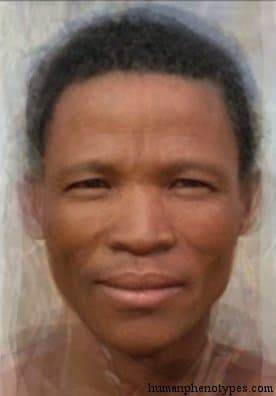
Kalaharid
Sanid variety, native to the Kalahari. Very ancient and distinct, specialised desert type with many unique features. Typical for the Northern and Central Bushmen, e.g. the !Kung (e.g. Ju/'hoansi), Naro, Khwe, Amkoe, and related people. Has lived in the region many millennia before Bantu and European arrival. Several thousand typical individuals remain, threatened by loss of culture and displacement.
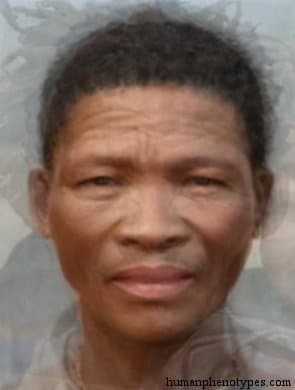
Karroid
Sanid variety, named after the Karoo desert. Very ancient and distinct with many unique features. Was dominant in Southern Africa some centuries ago until Bantu and European colonisation almost wiped it out. A few thousand remain among Taa speakers, Xam, Khomani, Karretjie, and Coloreds. Loss of culture and displacement could make it extinct very soon, like the similar, long-gone Strandlooper type.
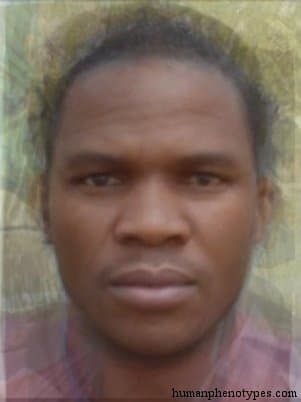
Katangid
Very ancient Australiform African type. Probably more widespread during the Paleolithic, only survives as a rare minority element. May still be found in a few individuals in Zambia, Mozambique, DR Congo, Zimbabwe, South Africa, and Botswana. Korana have been reported to have this kind of admixture as well as Zulus, Xhosa, and others.
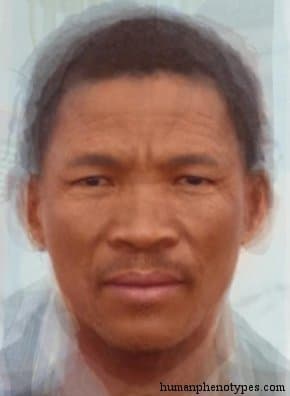
Khoid
Khoisanid type, similar to Sanid, but with a slightly different morphology. Was more common in farmers and less common in hunter-gatherers compared to Sanids. Native to Namibia and South Africa, especially in Khoikhoi (Hottentots). Most groups like Cape Khoe and Korana became extinct due to Bantu and European colonisation, but the Nama are still numerous.
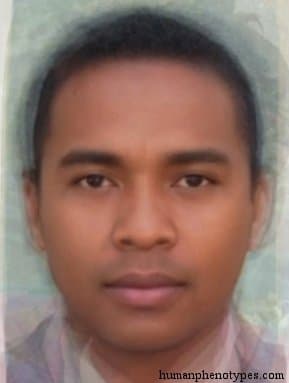
Malagasid
Relatively recent Bantuid-South Mongolid contact type native to the island of Madagascar. Formed when Malay immigrants from the Sunda Islands met Bantu from East Africa some millennia ago. Arabid and Indid elements entered as well. The type shares the island with Bantuids, full South Mongolids, and even some Veddoids. Common in Sihanka, Betsileo, Betsimisaraka, Tsimihety, Sakalava, etc.
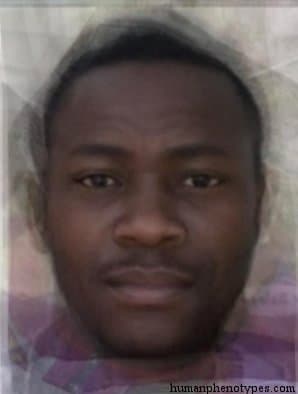
Mountain Dama
Ancient type of the Namibian highlands, especially the Brandberg and Otavi mountains. Probably a relict of groups that were widespread in Southern Africa prior to the Bantu expansion. During the 19th century it was still found in some Mountain Damara tribes, e.g. Haukhoin and Kattea pygmies. Today only as an admixed minority element in Damara, Ovambo, and related groups.
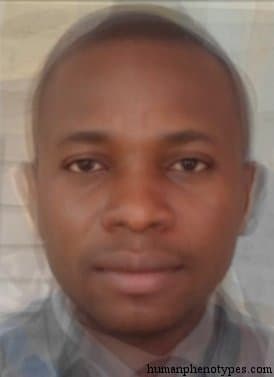
Mundu Mangbeto
Intermediate type of the Northeastern Congo forest. Unique in connecting elements of the tallest (Nilo-Hamitic) and shortest (Bambutid) phenotypes in the world with Congolesid. Especially found in the North-East of DR Congo and South Sudan, also in the Central African Republic and Uganda. Common in Mangbetu, Mundu, Lese, Medje, more mixed in Zande and some Central Sudanic speakers.
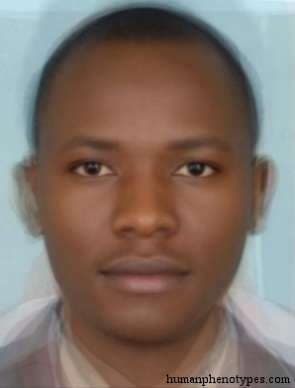
North Bantuid
Widespread Bantuid variety of East Africa with relatively narrow noses, possibly due to Ethiopid influence. Found from South Somalia to Kenya, Tanzania, Uganda, Zambia, Zimbabwe, especially in Ganda, Hutu, Nyoro, Hehe, Gogo, Chaga, Sukuma, Nyamwezi, Swahili, mixed in Hemba, Kikuyu, Kamba, and others. As early as 1000 years ago slavery brought it to Arabia and Iran, from 1500 CE on it expanded south to Namibia and gave rise to Herero and others.
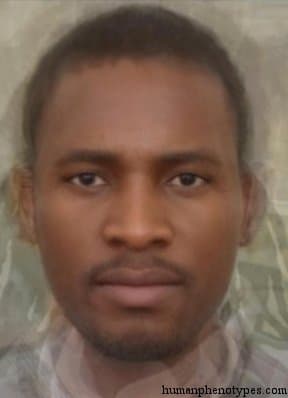
South Bantuid
Bantuid variety, characterised by relatively wide skulls and robust faces. Especially found in the Kwazulu Natal / Transkei regions of South Africa and Swaziland, extends through many regions of Southern Africa and Madagascar. Originated from Bantu expansion some millennia ago. Typified by Zulu, Swazi, Bhaca, also in Makua, Kwanyama, Hlubi, Fengu, Ovambo, Pondo and many more, spread to Namibia in the Middle Ages (e.g. Damara, sometimes Herero).
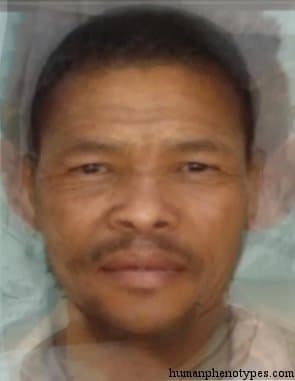
Strandlooper
Almost extinct Khoisanid type, once common along the South African coasts from Cape Colony to the Skeleton Coast. The name derives from the "beach-combers" who lived mainly on shellfish. Probably a Proto-Khoisanid type, very ancient and less specialised. Has vanished as a result of European colonisation, however some individuals of Topnaar (ǂ Aonin) may still show this type.
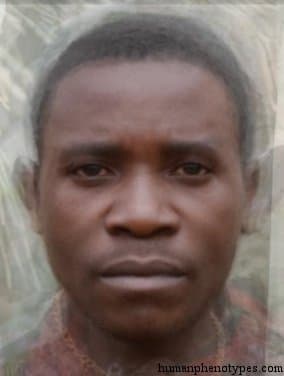
Twa-Cwa
Pygmoid type of the Congo forests intermediate between Bambutid and Congolesid. Important groups in DR Congo are Mongo Cwa close to the Mai-Ndombe and Tumba Lakes, as well as Kasai Cwa of the Lomani River. Also typical in Ba Twa around Lake Kivu in Rwanda and Burundi. Mixed in other Pygmy and Congo populations.
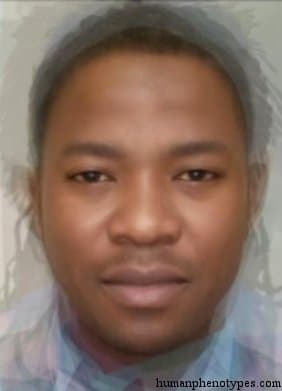
Xhosaid
Bantuid-Khoisan contact type that developed as a result of the Bantu expansion some millennia ago when Bantu assimilated older Khoisan groups. Found especially in the eastern parts of South Africa. Common in Xhosa, Southern Sotho, and Shangana, occasionally in Chopi, Bhaca, and Tswana, rare in Zulu and others. Modern recombinations are common.
East Africa
17 phenotypes native to East Africa.
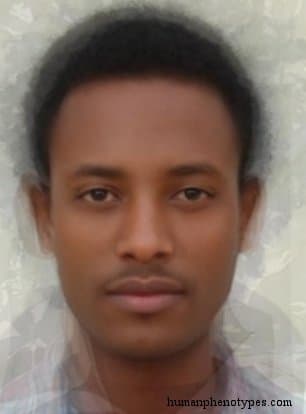
Central Ethiopid
Ethiopid subtype of the central Ethiopian highlands and their surroundings. Found in its purest form among Oromos. Also in other Cushitic speakers like Somalis, Borana, Konso, and Sidama, here often more mixed. Some individuals of Shinasha or Borana tribes may show an extraordinarily fair skin tone, while the more western tribes are darker, usually due to Nilotid admixture. Traces reach to South Kenya (e.g. Kikuyu, Kamba).
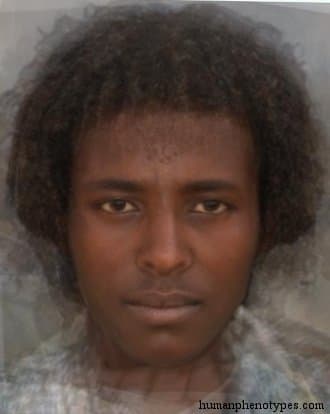
Danakil
Specialised Ethiopid type living in the hottest region of the world: the Danakil depression of Eritrea and Northern Ethiopia, with an annual average temperature of more than 34°C. Most common in the Afar people and southern tribes of the Saho (e.g. Hazu). Occasionally in Northern Somalia and across Ethiopia.
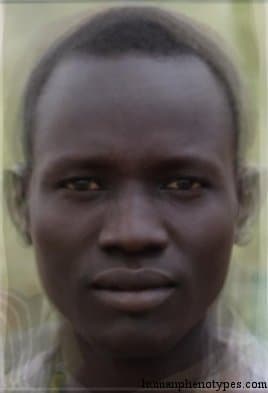
Dinkaid
Nilotid proper that shows the most pronounced Nilotic features: the tallest, most long-legged and one of the darkest phenotypes in the world. Typically found in the swamp areas of the Upper Nile in South Sudan. Most common in Dinka and Nuer, but also Atuot, Atwot, Agar, Bor, more mixed in Lotuko and Karamojong.
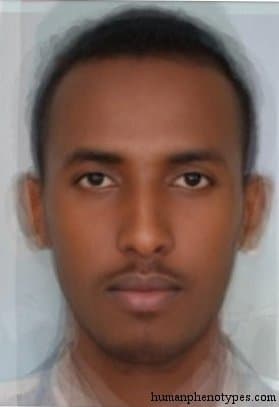
East Ethiopid
Ethiopid proper, showing the most pronounced Ethiopid characters of all. Common around the Horn of Africa, in its purest form in the inland areas of Somalia and Eastern Ethiopia. Typical groups include Hawiye, Darod, Dir, but also common in Tigray-Tigrinya, Agaw, and Eastern Oromo. Sometimes in Gurage, Gonga, Amhara, Digil, and Rahanweyn, the latter groups have Bantuid admixture.
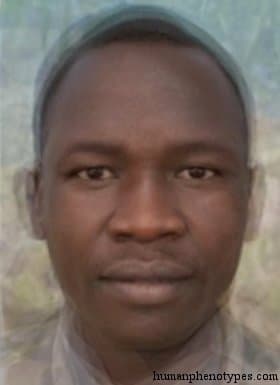
East Sudanid
Isolated Sudanid variety of the Nuba mountains in Kurdufan / Sudan, native to the region at least since the Neolithic. Has resisted historic invasions of neighbouring types over a long time. However, even in isolated villages, Nilotid, Congolid, and Orientalid admixture is common. A minority type in Fur, Kresh, Yulu, Nara, Kunama, and even Southern Egyptians.
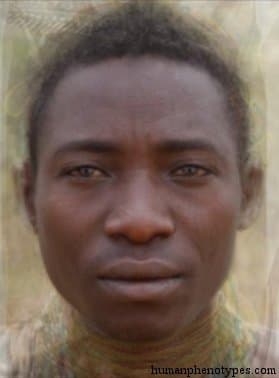
Hadza
Ancient type of the Tanzanian Bushmen, living close to Lake Eyasi. Very distinct from any other type in the world and has probably long been isolated. Distant relationships exist to Khoisanids. Basically restricted to the Hadza people, who number no more than 800. Loss of culture might cause this unique type to vanish forever soon.
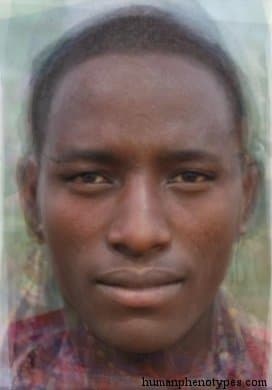
Maasai
Ancient South Ethiopid subtype, influenced by Nilo Hamitic and possibly Sandawe. Has probably been isolated in a remote region west of Lake Turkana some centuries ago. Only from the 15th century on they started to migrate south deep into Kenya and Tanzania, where they are found today. Typical for Maasai people, sometimes in related tribes, e.g. Samburu, Dorobo, Okiek, and Lotuko.
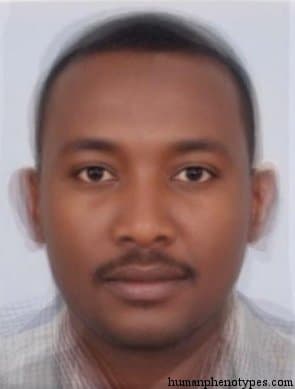
Middle Nile
The Middle Nile type is a contact type of the Nile Valley located in Northern Sudan. Features are variable, although North African, West Asian, and Sub-Saharan elements have a long history of contact in the region. In difference to the North Ethiopid Nubians of the region, it is characterised by a combination of Sudanid and Orientalid. Most common from Khartoum to Kosti and west to El Obeid, also in Kababish, Sudanese Arabs, and even Baqquara.
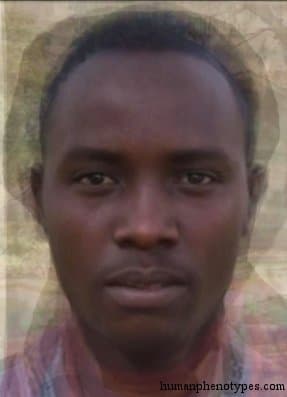
Nilo Hamitic
Intermediate type between Nilotid and Ethiopid that is associated with the Nilo Hamites or Half Hamites. Similar to Maasai. Should not be confused with the outdated language family of the same name. The type is dominant West of Lake Rudolf and North-East of Lake Victoria, mainly in South Sudan, Uganda, and Kenya. Typified by the Pokot, Nandi, Samburu, and Turkana. More mixed in Karamojong, Bari, and Maasai.
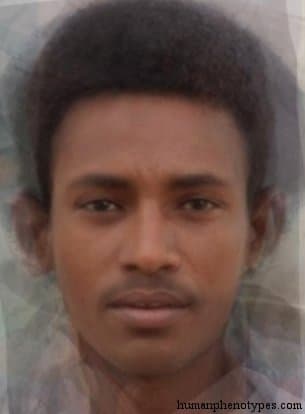
North Ethiopid
Ethiopid subtype that is often regarded as a northern branch of East Ethiopid. Common along the Red Sea coast and the Nile Valley from Egypt to Eritrea and deep into the Ethiopian Highlands. Shows some morphological affinities with Mediterraneans, and played an important role in ancient Egypt. Often blends with Arabids and Yemenids that arrived in (pre-)historic times. Common in the Beja, Beni Amer, Nubians, Hadendoa. More mixed in Amhara, Kababish, Egyptians (esp. Charga and other oases). Sometimes in Arabia as well.
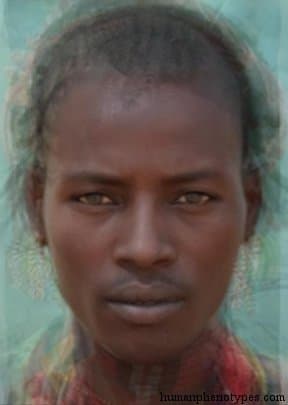
Omotic
Isolated type of Southwestern Ethiopia and Northern Kenya, probably belonging to a group of ancient Ethiopids. Probably a relict of Pre-Neolithic periods. Most common in speakers of the Omotic languages, e.g. Ari/Aari, Banna, Hamer, Karo, Turmi, and Erbore. The name derives from the Omo Valley of Southern Ethiopia.
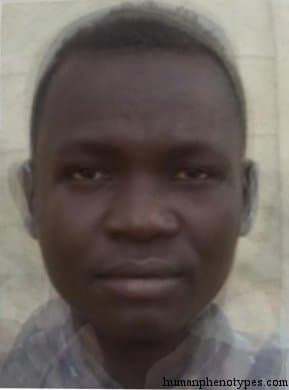
Pre Nilotid
Ancient type with Proto Nilotid traits, today still found in the border region of Sudan and Ethiopia. Common in Kwama, Uduk, Gumuz, Mao, and related people. More mixed in Berta and other Nilotics. A link to early Ethiopids is possible. Many of these tribes have suffered war and displacement and are now dispersed all over the world.
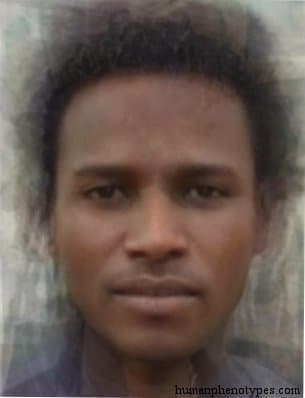
Proto Ethiopid
Ancient type that inhabited the Southwestern Eritrean lowlands prior to the arrival of Ethiopids, and possibly resembles early "Out of Africa" types. Was still common from Kenya to Sudan during historic times. Some individuals may give a pseudo-Australoid impression. Occasionally found in Kunama and Nara, but also Amhara, Tigray-Tigrinya, rarer in Oromo, Beja, and others.
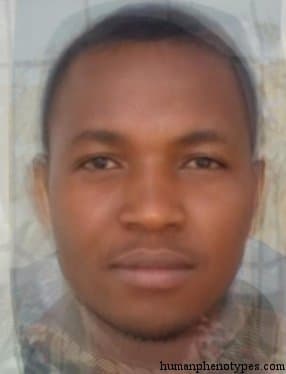
Sandawe
Distinctive East African type of the Tanzanian savannahs, especially the Dodoma region. A relict of Khoisanid populations that were more widespread prior to the Bantu expansion. Also linked to Maasai. Most common in the Sandawe, who still speak a click language. More mixed in Datooga, Turu, Mbugu, Burunge, Gogo, Bon, and Akie.
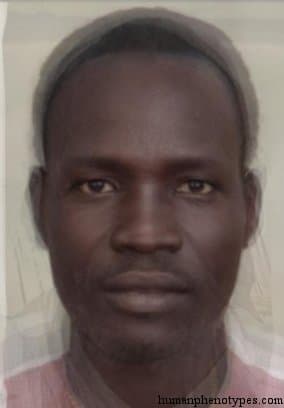
Shillukid
Nilotid variety similar to Dinkaid, but with slightly modified features. Typically found in the savannahs of the Upper Nile of South Sudan. Extends to Western Ethiopia (e.g. Gambela). Most common in Shilluk, but also in Anuak. More mixed in other Nilotic people.
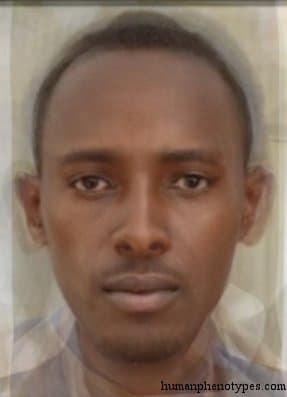
South Ethiopid
The southernmost Ethiopid, common between Lake Victoria and Lake Tanganyika, especially in Rwanda, Burundi, but also Uganda, Tanzania, and Eastern DR Congo. In its purest form in Tutsi. Also common in Hema. Sometimes in various Bantu populations, especially Herero who migrated to Namibia from the Rift Valley some centuries ago, also Zulu, even Khoikhoi. Experienced a dramatic reduction in the 1990s due to the Tutsi genocide.
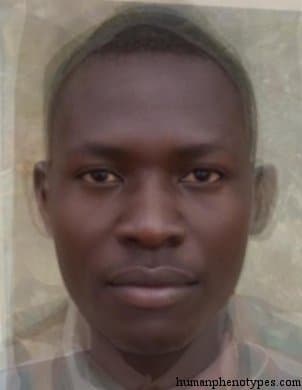
South Nilotid
Type common to the southern branch of Nilotic people of Lake Albert south to Lake Victoria, in South Sudan, Uganda, and Western Kenya. In some features, less typical than Dinkaids and Shillukids, stature and head shorter, possibly due to a higher degree of (Congolesid) admixture, or alternatively showing a less specialised Nilotid form. Common in Acholi, Alur, Kawka, Bari, Kresh, Luo, Lotuko, sometimes even in the Northern DR Congo tribe Mangbetu.
Southeastern Europe
2 phenotypes native to Southeastern Europe.
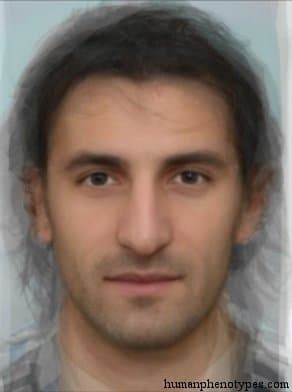
Dinarid (proper)
Central European type typical for mountain and forest regions. Presents the counterpart of Alpinids. The name derives from the Dinaric Alps in former Yugoslavia, where the type is commonly found among Serbs, Croats, Montenegrins, Bosniaks, and their relatives. Also typical for the Eastern Alps (esp. Tyrol), Carpathians, South Germany, Austria, Albania, West Ukraine. Extends to France, Western Greece, Bulgarian mountains, Italy, and other regions of Europe.
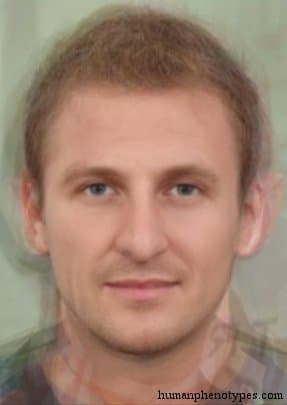
Norid
Central European type that closely resembles Dinarids except for lighter pigmentation. Authors interpret this to be the result of Nordid and other (e.g. East Europid) admixture. The name derives from the Roman province of "Noricum" in today's Austria. Common in Austria, Slovakia, Southern and Eastern Germany, Northern France, Northern Albania, also Northern Italy, Bosna, Serbia, Western Ukraine, and the Carpathian Mountains, sometimes Greece, Russia, and other regions.
South Asia
20 phenotypes native to South Asia.
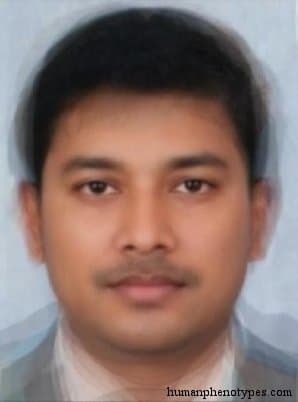
East Brachid
Relatively recent contact type intermediate between Indids and South Mongolids. Widespread, reaching from Western Himalaya / Nepal to Bhutan to the Bengals and Burma. Not stabilised yet: individuals of East Brachid families may tend towards Indid as well as South Mongolid. Typical in Kirati, Limbu, Rakhine, Chin, Chinbok, Bengal, Ahom, Khamti, Naga and many other populations.
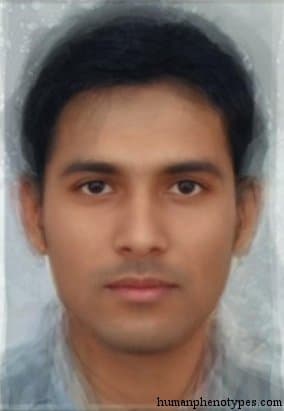
Gracile Indid
The most widespread and frequent Indid subtype, one of the most populous phenotypes in the world. Common along the Ganges river and Deccan, but practically found all over India. Various ancient migrations brought it to Thailand, Arabia, Madagascar, Indonesia, and Europe. Shows anthropometric similarities to Mediterranid, although lips, nose, forehead, and eyelids differ significantly.
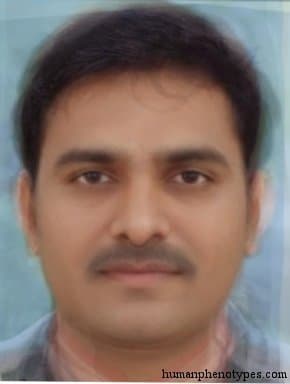
Indo Brachid
Indo Brachid proper, relatively recent Indid-Turano-Armenid contact type, probably the result of old Pashto, Saka, and Scythian migrations. Common from Southwestern India to Afghanistan, especially Gujarati, Maharashtra, and Eastern Pakistan. Typical in Nagar Brahmin, Kayastha, Kannada, Jat and Mir-Jat, South Baluchistan, sometimes Baloch, sporadically Indochina and Sumatra. Romani brought it to Europe.
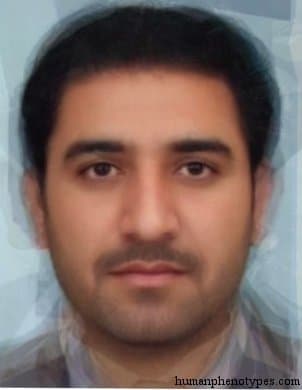
Indo Iranid
Relatively recent contact type with a position intermediate between Indo Brachid and Iranid. Widespread in Pakistan, Iran, and Afghanistan, reaching to Northern India in the East and Turkey in the West. Highest concentrations are found among the Baluchis, Brahuis, Pathans, Tarin, Dehwar, Pashto, and Yaghnobi, occasionally in Persians and Kurds, Bedouins and Samaritans. Not stabilised yet.
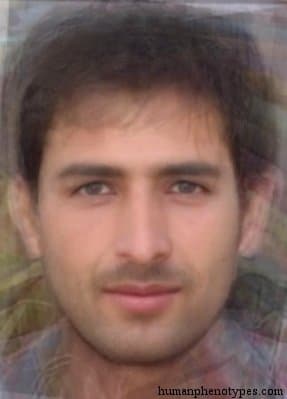
Indo Nordic
Type of the Northwestern Himalaya and the Hindu Kush. Connected to Indid, but altered by old unique elements, possibly Proto Nordic that might stem from ancient Aryans. Common in Pathan, Nuristani, occasionally Dards, Brokpa of Ladak, Kashmiri, Pamiri, Tajik, Uyghurs, and especially the last Pagans of the region: the Kalash.
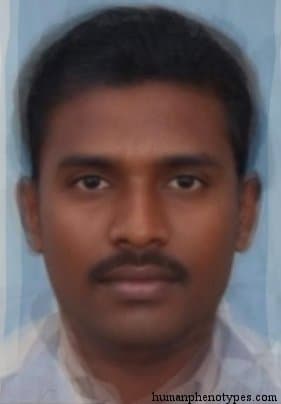
Karnatid
South Indian type, found in its purest form in Tamil Nadu and Northern Sri Lanka, called Melanid according to its dark skin tone (melanin). Typical for Tamils, mixed in Periya, sometimes other Indian people. The medieval Chola invasion even brought it to Malaysia and Sumatra. It is linked to the Kolid type farther North.
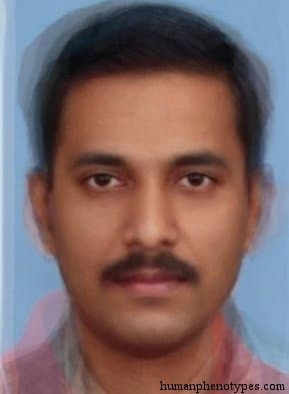
Keralid
Indid subtype, with a position intermediate between North Indid and Gracile Indid, mainly found in the plains of Malabar. Typical for Tiyer / Ezhava, Mukkaver, Kammalan, Nairs, and similar medium ranked castes of Kerala. The special features of this type have usually not been regarded as a result of mixture, but as a local variety.
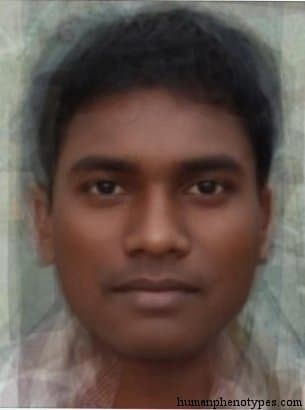
Kolid
North Dravidian type, related to Melanids but with stronger Gondid influence. An important population element in India. Purest in Jharkhand and West Bengal, particularly in Kolarians. Typical in Santhal and Ho, extends west to Rajputana. Transitional to Melanids in East Dekkan and East Brachids in Bengal.
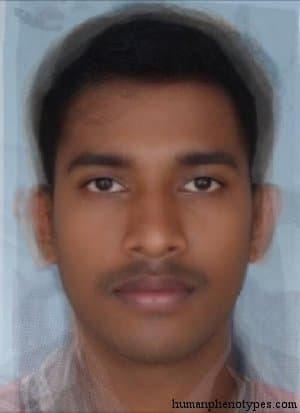
Malabarese
Indid-Veddid influenced type of Southwestern India, found in its most typical form in Kerala, e.g. in Malabarese and related people. Common with a large population. It is similar to the Indo Melanids further East, often mixed with Keralids and sometimes with Malids. In Southwestern Dekkan, there exists a more brachimorph variety, the Canarese.
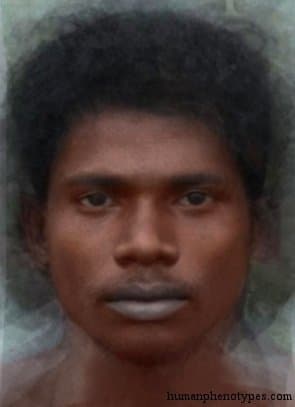
Malid
Very ancient phenotype native to the mountains of South India, common in isolated groups of Kanikkaran, Kadar, and Paniya. Mixed with Melanids in the Irula, Yanadi, Chenchu, and sometimes even Tamils. The purest Veddoid type of all, and probably one of the oldest phenotypes in the world. Several authors have suggested that Malids are more ancient than Negritids. A few thousand individuals remain today, mostly in isolated forests.
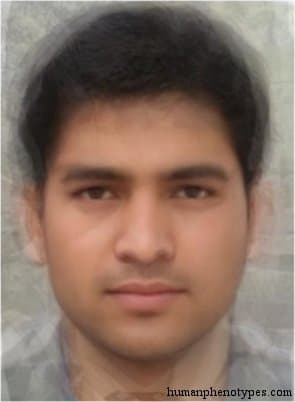
Mountain Indid
(Gracile) Indid variety native to the valleys south of the Western Himalaya and in the Hindu Kush. Once the principal element of the Khas and widespread in the North Indian Plains. Today common in Garhwali of Uttarakhand and Pahari, but also in Purigi, Kanets, Rajputs, Himachal Pradesh, Kashmir, Nepal, Eastern Afghanistan, even Tajikistan. Occasionally in Sikh, Turkmenistan, Uzbekistan, and Iran.
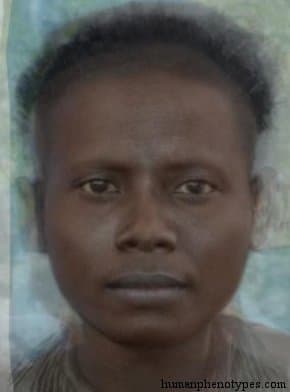
North Andamanid
Almost extinct, isolated type endemic to the Andaman Islands. Particularly in Great Andamanese groups, rarer in other Andamanese. After contact with Europeans in the 19th century the population collapsed, mostly due to disease. Only about a dozen Great Andamanese remain today, several of them are mixed.
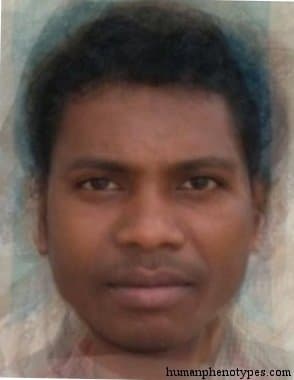
North Gondid
Ancient phenotype native to North Central India, found up to the Himalaya. Gondid proper type, the robust counterpart of South Gondids. Common in Gond, Kurukh, Bhil, Juang, Baiga. More mixed in Chota Nagpur and in Munda (with Kolids) and Mardia (with South Gondids). A frequent type, much more populous than other Veddids.
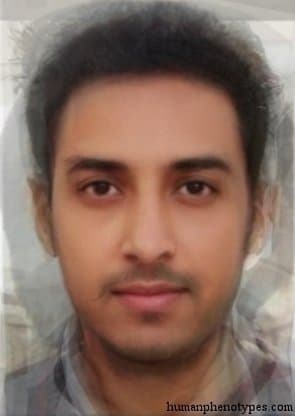
North Indid
Indid subtype of Pakistan and Northwestern India, often associated with ancient Indo-Aryan migrations from the North. Common in Punjab, where it is typified by the Sikh and Punjabi and upper/warrior castes of the Doab. Also in Rajputs, Patharns, in Kashmir and the Hindu Kush. Extends to Southern India, where a similar Toda variety exists. In the North it is transitional to Indo Nordic.
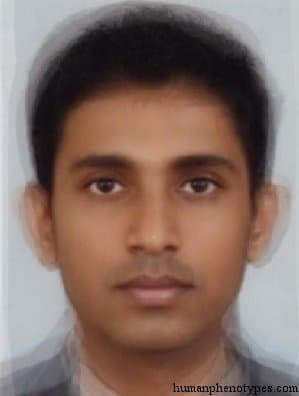
Sinhalesid
Indid subtype, similar to Gracile Indid, mainly found in South-West and Central Sri Lanka. Typical for Sinhalese and related people. This type's main component is the Indid, who migrated to Sri Lanka early and was later modified by admixture of Arabs, Europeans, and Malays, who have been trading with the island for centuries. Further altered by processes of local adaption. Blends with the Karnatid cohabitants and other Indid subtypes are frequent.
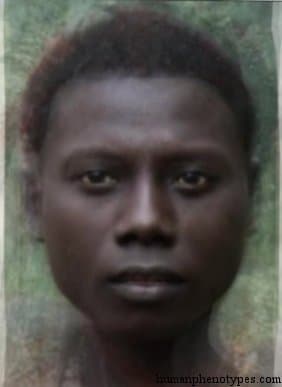
South Andamanid
Isolated type typical for the Little Andamanese people (Onge, Jarawa, Sentilese). After contact with Europeans in the 19th century populations collapsed, mostly due to disease. A few hundred remain today with Jarawa being the most populous, and Sentilese one of the last Stone Age tribes without closer contact to the modern world.
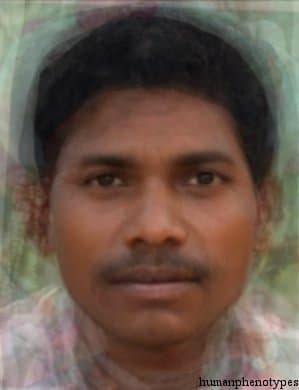
South Gondid
Gracile Gondid variety of Central India that shares many similarities with Gondids proper, except for a variety of features that puts them morphologically closer to Gracile Indids, possibly a result of convergent evolution. Found in its purest form among Muria people. Also frequent in Mardia, Koyi, and the tribes of Bastar. More mixed in Baiga and related Gond people.
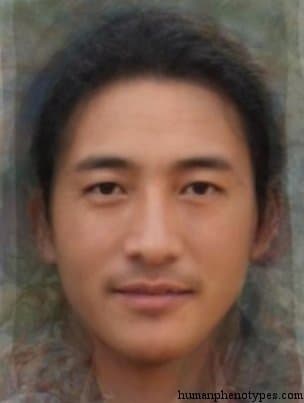
Tibetid
Contact type of Indid and Sinid. Possibly also Paleo Sibirid groups that have adapted to the high altitude of the Tibetan Plateau, sometimes features appear Indianiform. Most typical in Ladhak of Northern India and West Tibetans. Also in Eastern and Northern Tibetans, especially in nomads, as well as in Szechuan and Northern Yunnan (especially in Yi, sometimes Miao). In lower frequencies across China, Nepal, Burma, and Central Asia.
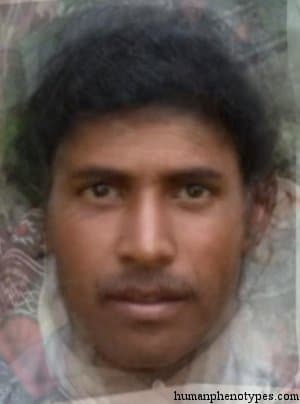
Toda
Indid subtype, native to the Nilgiri Hills of Southern India. Shows morphological affinities with North Indids and has sometimes been included. Differs from most neighbouring populations and could present an isolate caused by ancient Indo-European migrations. Mostly found in Toda people. Although their numbers have hardly surpassed 1000 during the last century, population is relatively stable.
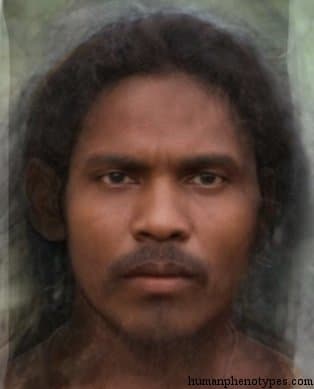
Vedda
Veddid proper type, typified by aboriginals of Sri Lanka - the Vedda people. Relatively ancient with a long history in the region. Relict groups today mostly live in the eastern parts of the island, a few hundred unmixed remain. The Vedda culture and phenotype might vanish soon, although admixture with the type seems relatively common in different parts of the island.
Arctic
1 phenotype native to Arctic.
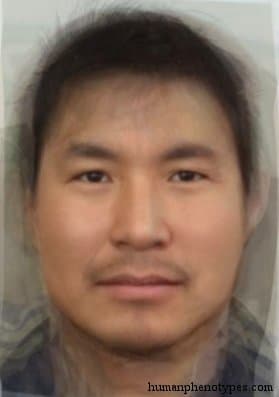
Inuid
Eskimid proper type, ranging over the vast, sparsely populated tundra along the icy coasts of Alaska, Nunavut, and Labrador (Canada) to Greenland. Mainly found in Inuit people. The northernmost phenotype in the world, including the North Greenlandic Inughuit group. The result of a relatively late migration to America. Shows the most extreme adaptions to Arctic climate in the world. Sometimes in Yupik, Kutchin, Ingalik, Chipewyan, Newfoundlanders, and others.
Polynesia
4 phenotypes native to Polynesia.
Micronesid
Northwestern Polynesid subtype. Combines Nesiotid elements with Proto Malayid and some Melanesid influence. Typically found on the islands of Micronesia, Guam, and more mixed in Palau, Mariana, and other islands. Associated with Chuukese, Pohnpeian, Kosraean, Yapese, Chamorro, Palauans, and related people.
Nesiotid
Mediterraniform Polynesid variety. Has been noted for its Europoid features, although no close genetic relationship exists. Typical in Samoa, also Marquesas, Tahiti, Easter Island, Fiji, Hawaii, all of Polynesia, but also Solomons, Vanuatu, New Zealand, and parts of New Guinea, where it often blends with Melanesids. Occasionally in the (Lesser) Sunda and Malaca Islands, parts of East Asia.
Robust Polynesid
Relatively recent Polynesid variety that developed after the Southeast Asian migration waves had reached Oceania. Most likely a brachycephalised Nesiotid - Proto Malayid blend, possibly with Indianid influence. Typical in Hawaii, Tonga, Samoa, Cook Islands, Marquesas, and Tahiti, where the cephalic index peaks. Extends across all of Oceania and may sometimes be found in Melanesia and Western America.
South Polynesid
Southern Polynesid variety. Some assume similarities with the first Polynesid variety that migrated from South-East Asia into Oceania. Found in its purest from in the Maori of New Zealand, but also Moriori and Rapa Nui, and occasionally across Polynesia. New Zealand and Easter Island were reached in the Middle Ages, sometimes replacing older Melanesids. Population collapsed due to introduced diseases from Europeans. Only in Maori the type could recover, although admixture is relatively high.